In today’s digital world, achieving a top spot in search engine results is essential for any website’s success. Whether you’re running a small blog or managing a large e-commerce platform, staying ahead of your competitors requires more than just basic SEO knowledge. This is where phần mềm SEO (SEO software) comes into play, providing the tools and insights needed to optimize your website for better search engine rankings. But with so many SEO tools available, choosing the right one for your needs can be overwhelming. In this guide, we’ll explore what SEO software is, the different types available, and how to choose the right tools for your website’s success.
Introduction to Phần Mềm SEO
What is Phần Mềm SEO?
Phần mềm SEO, or SEO software, refers to a suite of tools designed to help website owners and digital marketers optimize their sites for search engines. These tools are invaluable in improving a website’s visibility on platforms like Google, Bing, and Yahoo, ultimately driving more organic traffic. Whether you are looking to improve your on-page content, analyze your website’s technical health, or track your keyword rankings, SEO software streamlines the process and helps you make data-driven decisions.
The Importance of SEO for Websites
Search engine optimization is more than just a buzzword – it’s a necessity for any business looking to thrive in the digital age. In fact, studies have shown that the top five results in a Google search receive over 67% of the clicks. By implementing effective SEO strategies, you can increase your website’s visibility, attract more targeted visitors, and ultimately drive more conversions. SEO is not a one-time task, but an ongoing process, and having the right tools can make all the difference in achieving long-term success.
Types of Phần Mềm SEO
On-Page SEO Tools
On-page SEO refers to the practice of optimizing the content and structure of your website to improve its rankings. This includes everything from keyword optimization to improving content readability and internal linking. On-page SEO tools help streamline these tasks, providing you with actionable insights into how well your pages are optimized for both users and search engines.
Popular on-page SEO tools include:
- Yoast SEO: A widely used plugin for WordPress websites, helping you optimize your content by providing suggestions for keyword usage, readability, and more.
- SEMrush: An all-in-one tool that helps with keyword research, competitor analysis, and on-page optimization, ensuring that every page on your website is optimized for success.

Off-Page SEO Tools
Off-page SEO involves strategies that occur outside of your website, primarily focusing on backlinks. Quality backlinks from authoritative sites can greatly improve your site’s credibility and search engine rankings. Off-page SEO tools are designed to help you analyze your backlinks, discover new link-building opportunities, and track your progress.
Some of the best off-page SEO tools include:
- Ahrefs: Known for its robust backlink analysis features, Ahrefs helps you monitor your backlink profile and discover new linking opportunities.
- Moz Link Explorer: Moz offers in-depth insights into your website’s link profile, helping you identify potential issues and areas for improvement.

Technical SEO Tools
Technical SEO is the foundation of any successful SEO strategy, ensuring that your website is optimized for search engine crawlers. These tools help you audit your website’s technical aspects, such as page speed, mobile-friendliness, and site structure. A website with strong technical SEO ensures a smooth user experience, which is a ranking factor for Google.
Tools to consider for technical SEO include:
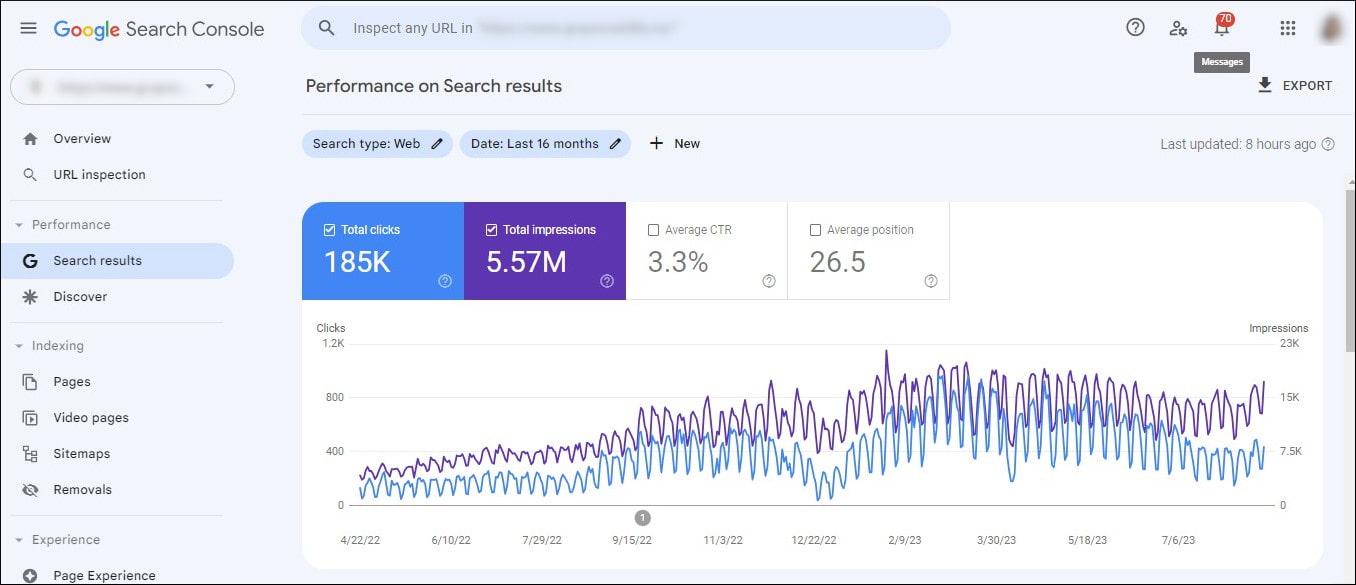
- Google Search Console: This free tool from Google allows you to monitor your site’s health, track performance, and fix issues like broken links and crawl errors.
- GTmetrix: GTmetrix analyzes your website’s loading speed and provides suggestions to optimize its performance.
Features to Look for in Phần Mềm SEO
Keyword Research and Analysis Tools
Keyword research is the backbone of any successful SEO strategy. By identifying the right keywords, you can target specific search queries that your audience is actively looking for. SEO software with keyword research capabilities allows you to find relevant keywords, analyze their competitiveness, and determine search volume, helping you prioritize the best terms to target.
Some of the top keyword research tools include:
- Google Keyword Planner: A free tool that helps you discover relevant keywords and analyze their potential for driving traffic to your site.
- Ubersuggest: A keyword research tool that offers keyword ideas and SEO insights to help you rank for competitive terms.
Backlink Analysis and Link Building
Backlinks remain one of the most important ranking factors in SEO. Quality backlinks act as “votes of confidence” for your website, telling search engines that your content is credible and authoritative. Backlink analysis tools help you monitor your backlink profile, identify toxic links, and discover new opportunities to build valuable links.
Tools for backlink analysis include:
- Ahrefs: A leading tool for backlink research and analysis, helping you monitor both your backlinks and those of your competitors.
- Majestic: Another strong contender for backlink analysis, Majestic offers in-depth data on your link profile.
Website Auditing and Performance Monitoring
Performing regular website audits is essential to ensure that your site remains in top shape for both users and search engines. SEO audit tools scan your website for technical issues, broken links, content gaps, and other issues that can negatively affect your rankings. These tools also help monitor your site’s performance over time, so you can make adjustments as needed.
Popular website auditing tools include:
- Screaming Frog: A website crawler that helps identify SEO issues such as missing meta descriptions, duplicate content, and broken links.
- SEMrush Site Audit: Provides an in-depth site audit and offers suggestions for improving technical SEO elements.
Reporting and Analytics
Once you’ve implemented your SEO strategies, tracking your progress is key. SEO reporting and analytics tools help you monitor your keyword rankings, track traffic patterns, and assess the overall effectiveness of your efforts. These tools provide valuable insights that can guide your decision-making process moving forward.
Some reliable SEO reporting tools include:
- Google Analytics: A powerful tool for tracking your website’s traffic, user behavior, and conversion rates.
- SEMrush: Offers comprehensive reports on keyword rankings, backlinks, and competitor analysis.
Benefits of Using Phần Mềm SEO
Time and Effort Savings
SEO can be a time-consuming process, but with the help of SEO tools, many tasks that would traditionally require hours of manual effort can be automated. From keyword research to site audits, software can streamline these processes, allowing you to focus on other important aspects of your business.
Improved SEO Results
Using SEO software can significantly improve your results. With data-driven insights, you can identify what works, make adjustments, and continuously optimize your site to increase traffic and conversions. These tools allow you to measure your success, ensuring that your strategies are moving the needle in the right direction.
Competitive Advantage
In today’s competitive digital landscape, staying ahead of your competitors is crucial. SEO software provides valuable insights into your competitors’ strategies, helping you identify opportunities to outrank them. By using the right tools, you can gain a competitive edge and dominate your industry’s search results.
How to Choose the Right Phần Mềm SEO for Your Website
Understanding Your Website’s Needs
Before selecting the right phần mềm SEO, it’s essential to assess your website’s specific needs. For instance, an e-commerce site may prioritize tools that enhance product page optimization and help with local SEO, while a blog might focus more on content creation, keyword optimization, and user engagement. Understanding the scale of your website and its goals will allow you to pick software that aligns with your objectives.
Smaller websites may only need basic features like keyword research and on-page optimization, while larger sites with hundreds of pages might require advanced technical SEO tools, such as those that conduct website audits, monitor crawl errors, and assess site speed. Identifying what matters most to your website’s SEO will help you avoid unnecessary features that don’t contribute to your success.
Budget and Pricing
SEO tools come in all price ranges, from free versions to premium subscriptions. Free tools are great for beginners and small websites, but they often come with limitations. Paid tools, on the other hand, offer a broader range of features and more accurate insights. When choosing SEO software, it’s important to balance the cost with the potential ROI. Look for tools that provide a solid value proposition, such as offering keyword data, site audits, backlink analysis, and competitor tracking.
For example, tools like Google Search Console and Google Analytics are free but offer critical insights into your site’s performance. Meanwhile, premium tools like SEMrush and Ahrefs provide more detailed data and advanced features for businesses looking to invest in long-term SEO growth.
Comparing Features and Functionality
Not all SEO tools are created equal. Some tools specialize in certain aspects of SEO, such as keyword research or backlink analysis, while others offer an all-in-one solution. When comparing tools, consider factors like:
- Ease of Use: The interface should be user-friendly, even for beginners. Tools like Yoast SEO for WordPress are excellent for users with minimal technical expertise.
- Integration with Other Tools: If you already use platforms like Google Analytics or WordPress, choose software that integrates seamlessly with these tools.
- Customer Support: Check for responsive customer service, tutorials, and community forums, especially for paid software.
- Reporting Capabilities: The ability to generate reports is crucial for tracking SEO performance and adjustments. Look for tools that allow you to export or automate SEO reports.
By considering these factors, you can make an informed decision about which SEO software will serve your needs best.
Common Mistakes to Avoid When Using Phần Mềm SEO
Over-reliance on Automation
While SEO tools can automate many tasks, such as keyword research and backlink tracking, it’s important to avoid over-relying on them. SEO software provides insights and data, but human expertise and creativity are still essential for devising an effective SEO strategy. For example, while a tool might suggest optimal keywords for a page, the content should still be written naturally, engagingly, and for your target audience.
Automating too much can also result in poor user experience, as search engines, like Google, increasingly prioritize content quality and user intent. Always use tools to complement your own knowledge and strategies, not to replace them.
Ignoring User Experience
SEO isn’t just about ranking higher – it’s about providing value to your users. Overusing SEO tools can sometimes lead to neglecting important factors like page design, site speed, and content engagement. Search engines like Google are placing more emphasis on user experience (UX), such as mobile responsiveness, fast load times, and easy navigation.
Make sure that your SEO efforts are not just focused on keywords but also on creating an enjoyable experience for visitors. Google’s Core Web Vitals, for example, are factors that measure your website’s performance and its impact on user experience.
Phần Mềm SEO Free vs. Paid Tools
Free Tools Available in the Market
Free SEO tools can be an excellent starting point for businesses just beginning their SEO journey. These tools provide essential features that can help you understand the basics of SEO without a financial commitment. Some popular free tools include:
- Google Search Console: This free tool from Google provides valuable insights into how your site is performing in search results, including keyword rankings, click-through rates, and crawl errors.
- Ubersuggest: A free keyword research tool that offers suggestions for keywords and provides SEO data on search volume and competition.
While free tools are useful, they typically offer limited data and fewer features than their paid counterparts, making them less suitable for businesses that need in-depth analysis or scalability.
Paid Tools and What They Offer
Paid SEO tools provide a higher level of accuracy, deeper insights, and more comprehensive features. These tools are suitable for businesses that are looking for long-term SEO growth and need access to more advanced functionalities. Some well-known paid tools include:
- SEMrush: A comprehensive tool offering keyword research, site audits, backlink analysis, and competitor insights.
- Ahrefs: Known for its powerful backlink analysis and site audit features, Ahrefs also offers keyword research and competitive analysis.
Although these tools come with a price tag, the data they provide can be a game-changer for improving your website’s SEO performance. For larger businesses or those looking to scale their SEO efforts, investing in a paid SEO tool is often worthwhile.
Deciding Between Free and Paid
Choosing between free and paid SEO tools depends on your website’s needs and budget. If you’re just starting out or have a small website, free tools may be sufficient to get the basics right. However, as your website grows and you need more detailed insights, investing in paid tools will help you stay competitive in a crowded digital space.
Case Studies and Examples of Successful SEO with Phần Mềm SEO
Real-life Examples of Businesses Using SEO Software
Many businesses have successfully leveraged phần mềm SEO to grow their online presence and increase traffic. One example is a small e-commerce business that used Ahrefs to identify high-traffic keywords and build backlinks. Within six months, their organic traffic increased by 150%, and their sales conversions saw a similar increase.
Another example is a blog that used SEMrush to improve its on-page SEO by optimizing content for targeted keywords. After conducting a full website audit with SEMrush and optimizing their content, the blog saw a 70% increase in search rankings and a noticeable rise in readership.
Lessons Learned and Takeaways
These case studies illustrate that the right tools, combined with a well-executed SEO strategy, can lead to significant improvements in website performance. Key takeaways include:
- Invest in the right SEO tools for your specific needs.
- SEO is an ongoing process that requires regular adjustments.
- Backlink building, keyword research, and technical audits are crucial for success.
Conclusion: The Future of Phần Mềm SEO and What’s Next
Trends in SEO Software Development
The future of SEO tools is bright, with advancements in AI, machine learning, and automation making SEO tasks easier and more efficient. Tools are becoming more intelligent, providing even more granular insights into how websites perform and how to improve them. Expect even more powerful features such as predictive analytics, content optimization based on intent, and advanced reporting capabilities.
Final Tips for Choosing the Best SEO Tools
When choosing SEO software, always consider your website’s goals, budget, and the specific tasks you need to address. Don’t be afraid to experiment with free tools to get started, but remember that investing in a premium tool may yield significant long-term benefits. By selecting the right SEO tools and using them strategically, you can boost your website’s rankings, attract more traffic, and ultimately achieve your business goals.
FAQ
What is the best phần mềm SEO for beginners?
For beginners, Yoast SEO and Google Search Console are great options. They provide user-friendly interfaces and essential features for optimizing your site’s content and tracking performance.
Is it necessary to use paid SEO tools?
While free SEO tools are helpful for beginners, paid tools like SEMrush and Ahrefs offer more in-depth insights and advanced features that are beneficial for larger websites or businesses looking to scale their SEO efforts.
How often should I perform SEO audits?
Regular SEO audits are crucial to maintaining your website’s health. Ideally, you should perform an audit every 3-6 months, or more frequently if you’re making significant changes to your site.