Email marketing is one of those channels many people think they already understand — yet most are doing it wrong.
If you’re a shop owner, a beginner learning digital marketing, or a marketer who has tried sending emails but got low open rates, no clicks, or zero sales, you’re not alone. The problem isn’t that email marketing no longer works. The real problem is that most people don’t understand how email marketing actually works in practice.
This guide is written from real-world experience building email systems for small businesses, e-commerce shops, and service brands. No theory-heavy nonsense. Just clear explanations, practical examples, and frameworks you can apply immediately.
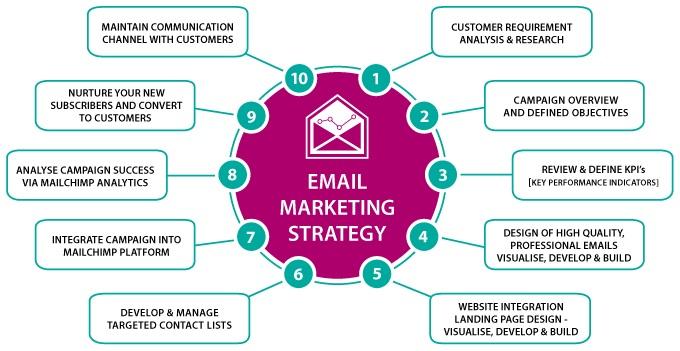
What Is Email Marketing?
Email Marketing Explained in Simple Terms
Email marketing is the process of sending emails to a group of people who gave you permission to contact them, with the goal of building relationships, delivering value, and ultimately driving business results.
In plain language:
- You collect email addresses from people interested in your product or content
- You send them useful, relevant emails over time
- You guide them toward buying, returning, or taking action
Real-life examples you see every day:
- A welcome email after you sign up for a website
- An abandoned cart reminder from an online store
- A weekly newsletter sharing tips or promotions
Unlike social media, email marketing is not rented attention. You own your email list. No algorithm can suddenly block you from reaching your audience.
How Email Marketing Works (Step-by-Step)
A basic email marketing system always includes these 4 steps:
- Attract – Give people a reason to subscribe (discount, guide, checklist)
- Collect – Capture emails via forms, popups, or landing pages
- Communicate – Send valuable and relevant emails
- Measure – Track opens, clicks, and conversions
According to HubSpot, email generates an average ROI of $36 for every $1 spent — higher than most other digital channels.
This only happens when email is done strategically, not randomly blasting promotions.
Why Email Marketing Still Works (Even in 2026)
Key Benefits of Email Marketing
Despite the rise of social media, influencers, and AI tools, email marketing remains one of the most reliable digital channels.
Main benefits:
- High ROI: Low cost, high return
- Direct communication: Messages land straight in the inbox
- Audience ownership: No platform dependency
- Automation-friendly: Works 24/7 once set up
For small businesses and SMEs, this is especially important. You don’t need huge ad budgets to compete.
Email Marketing vs Social Media vs Paid Ads
| Channel | Cost | Reach Control | Long-term Value |
|---|---|---|---|
| Email Marketing | Low | High | Very High |
| Social Media | Medium | Low (algorithm-based) | Medium |
| Paid Ads | High | High | Low (stops when budget stops) |
Email marketing doesn’t replace ads or social media — it complements them. Smart marketers use ads to collect emails, then email to build long-term revenue.
Types of Email Marketing Campaigns
Promotional Emails
These emails are designed to drive immediate action.
Common use cases:
- Product launches
- Limited-time discounts
- Flash sales
Tip: Overusing promotional emails is the fastest way to lose subscribers.
Newsletter Emails
Newsletters focus on value first, selling second.
They usually include:
- Educational content
- Industry updates
- Brand stories or insights
This is how you build trust and authority over time.
Transactional Emails
Transactional emails are triggered by user actions.
Examples:
- Order confirmations
- Shipping updates
- Password resets
These emails often have the highest open rates because users expect them.
Automated Emails
Automation is where email marketing becomes scalable.
Common automated flows:
- Welcome email series
- Abandoned cart reminders
- Re-engagement emails
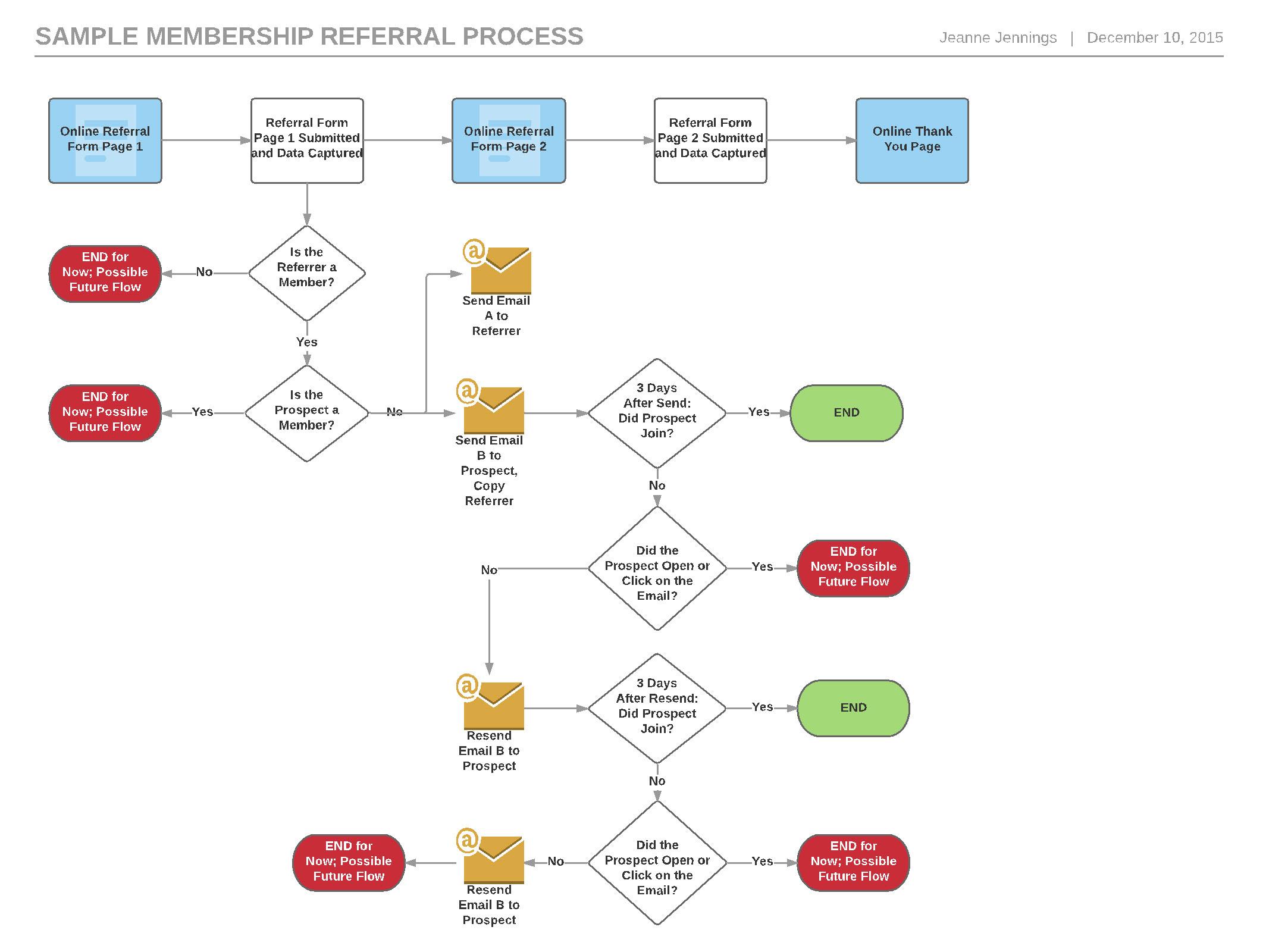
According to Litmus, automated emails generate significantly higher engagement than one-off campaigns.
How to Build an Email List (The Right Way)
What Is an Email List?
An email list is a collection of people who have explicitly agreed to receive emails from you.
This is called permission-based marketing. Buying email lists or scraping emails is not only ineffective but can damage your brand and deliverability.
Proven Email List Building Methods
- Lead magnets: Free guides, checklists, discounts
- Website forms: Embedded or popup forms
- Landing pages: Focused pages with one clear offer
Example: An online shop offers 10% off the first order in exchange for an email address. Simple, effective, and ethical.
Common Mistakes When Building Email Lists
- Asking for email without offering value
- Sending emails too frequently
- No segmentation at all
As marketing expert Seth Godin once said:
“Permission marketing is the privilege of delivering anticipated, personal, and relevant messages to people who actually want to get them.”
FAQ – Email Marketing Basics
Is email marketing still effective for small businesses?
Yes. In fact, email marketing is often more effective for small businesses because of its low cost and high ROI.
Do I need technical skills to start email marketing?
No. Modern email marketing tools are beginner-friendly and require no coding.
How big does my email list need to be?
Even 100 engaged subscribers can generate results if your content is relevant and valuable.
In the next section, we’ll dive deeper into building an email marketing strategy, writing high-converting emails, choosing the right tools, and measuring real performance.
Email Marketing Strategy: A Simple Framework That Works
Most failed email marketing campaigns don’t fail because of tools or design. They fail because there is no clear strategy. People send emails randomly, hoping something will work.
A good email marketing strategy answers three questions before you send anything:
- Who am I sending this email to?
- Why am I sending it?
- What action do I want the reader to take?
Step 1: Define a Clear Goal
Every email should have one primary goal, not five.
Common email marketing goals:
- Generate sales
- Nurture leads
- Bring users back to the website
- Increase customer lifetime value
Example: A welcome email’s goal is not to sell immediately, but to build trust and set expectations.
Step 2: Segment Your Audience
Sending the same email to everyone is one of the biggest mistakes beginners make.
Basic segmentation ideas:
- New subscribers vs existing customers
- Buyers vs non-buyers
- Interested product categories
Segmented campaigns can generate up to 58% of all email revenue, according to data shared by Campaign Monitor.
Step 3: Plan Content Using the 80/20 Rule
A simple rule that works:
- 80% value-based content
- 20% promotional content
This keeps your list engaged and reduces unsubscribes.
How to Write High-Converting Emails
Email copywriting is not about sounding smart. It’s about being clear, relevant, and human.
Subject Line Best Practices
The subject line decides whether your email gets opened or ignored.
Best practices:
- Keep it under 50 characters
- Focus on one clear benefit
- Avoid spammy words like “FREE!!!”
Example:
- ❌ “Amazing Offer You Can’t Miss”
- ✅ “3 mistakes killing your email open rate”
Email Copy Structure That Works
A simple and effective structure:
- Hook: Grab attention in the first sentence
- Value: Deliver something useful or insightful
- CTA: Tell readers exactly what to do next
Short paragraphs and simple language always perform better.
CTAs That Actually Get Clicks
Good CTAs are specific and action-oriented.
- “Read the full guide”
- “Get the checklist”
- “See how it works”
Avoid vague CTAs like “Click here”.
Email Marketing Automation Explained
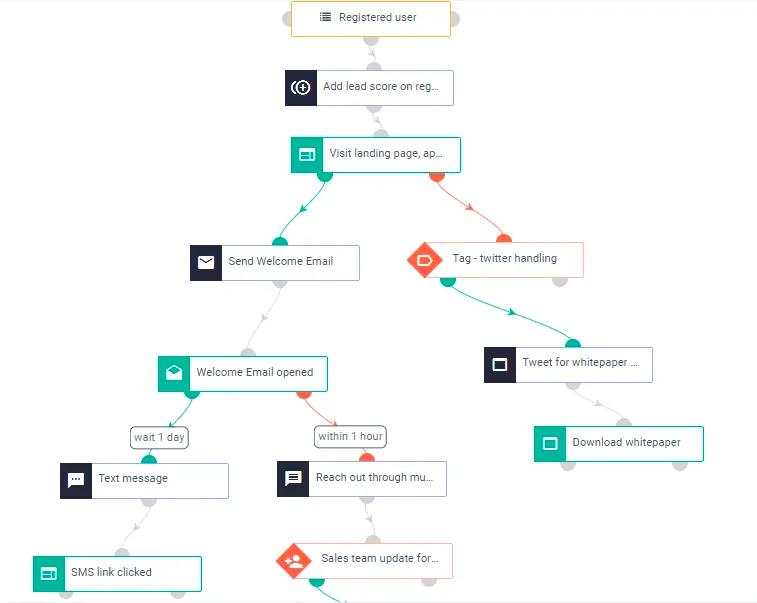
Email automation allows you to send the right message at the right time — without manual work.
What Is Email Automation?
Email automation uses triggers such as sign-ups, purchases, or inactivity to send pre-written emails automatically.
This is where email marketing becomes scalable.
Essential Automation Flows
- Welcome flow: First impression & onboarding
- Abandoned cart flow: Recover lost sales
- Post-purchase flow: Upsell & retention
- Re-engagement flow: Wake up inactive subscribers
Automation emails often outperform regular campaigns in both open rate and conversion rate.
Best Email Marketing Tools for Beginners
You don’t need expensive tools to start email marketing.
What to Look for in an Email Marketing Tool
- Easy-to-use editor
- Automation features
- List segmentation
- Reliable deliverability
Beginner-Friendly Tool Comparison
| Tool Type | Best For | Learning Curve |
|---|---|---|
| Basic email platforms | Small lists | Low |
| Automation-focused tools | E-commerce | Medium |
| CRM-integrated tools | Service businesses | Medium–High |
You can explore related guides in our internal resources such as Marketing Automation and Digital Marketing Strategy.
Email Marketing Metrics That Actually Matter
Tracking the wrong metrics leads to wrong decisions.
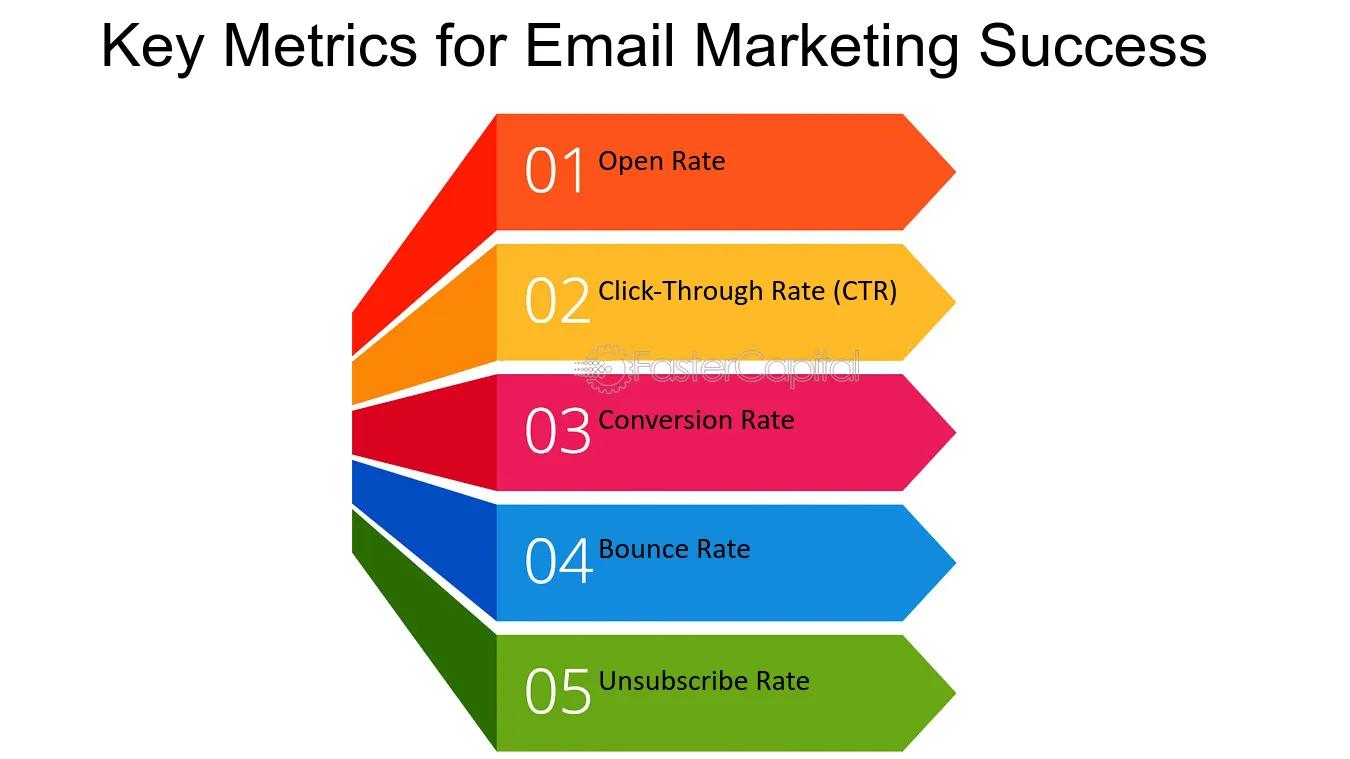
Open Rate
Shows how effective your subject line is.
- Average: 20–30%
- High-quality lists often exceed 35%
Click-Through Rate (CTR)
Measures content relevance and CTA strength.
Improvement tips:
- One clear CTA
- Shorter emails
- Better segmentation
Conversion Rate & ROI
This is the ultimate metric — how email impacts revenue.
According to Litmus, email remains one of the highest ROI channels in digital marketing.
Common Email Marketing Mistakes (And How to Avoid Them)
- Sending emails without a strategy
- No segmentation
- Ignoring mobile users
- Focusing only on sales
Learning from these mistakes early can save months of frustration.
Real Email Marketing Examples
E-commerce Example
An online store sends a 3-email abandoned cart sequence:
- Reminder after 1 hour
- Social proof after 24 hours
- Small incentive after 48 hours
This alone can recover 10–20% of lost sales.
Service Business Example
A consultant uses a 5-email educational sequence to build trust before offering a call.
This pre-qualifies leads and increases close rates.
Email Marketing Best Practices Checklist
- ✔ Permission-based list
- ✔ Clear goal per email
- ✔ Mobile-friendly design
- ✔ Value-first content
- ✔ Consistent sending schedule
FAQ – Advanced Email Marketing Questions
How often should I send emails?
For most businesses, 1–2 emails per week is a safe starting point.
Can email marketing work without automation?
Yes, but automation significantly improves efficiency and results.
Is email marketing suitable for B2B?
Absolutely. In B2B, email is often the primary lead nurturing channel.
Conclusion: Why Email Marketing Is Still a Smart Investment
Email marketing is not about sending more emails. It’s about sending the right emails to the right people at the right time.
If you’re just starting, focus on:
- Building a permission-based list
- Sending valuable content
- Measuring what matters
When done correctly, email marketing becomes a long-term asset — not just another marketing tactic.
Next step: Start with one lead magnet and one welcome email. You don’t need more to begin.