In today’s fast-paced business world, marketing strategies are more crucial than ever. Whether you’re launching a new product or optimizing an existing service, understanding the Marketing Mix is essential. But what exactly is the Marketing Mix, and how can businesses use it to drive success? This comprehensive guide will delve into the 4Ps of marketing, the extended 7Ps for service-based businesses, and how you can apply these strategies to craft winning marketing plans. By the end, you’ll have the knowledge to use the Marketing Mix to boost your brand’s performance and stay ahead of the competition.
Introduction to the Marketing Mix
What is the Marketing Mix?
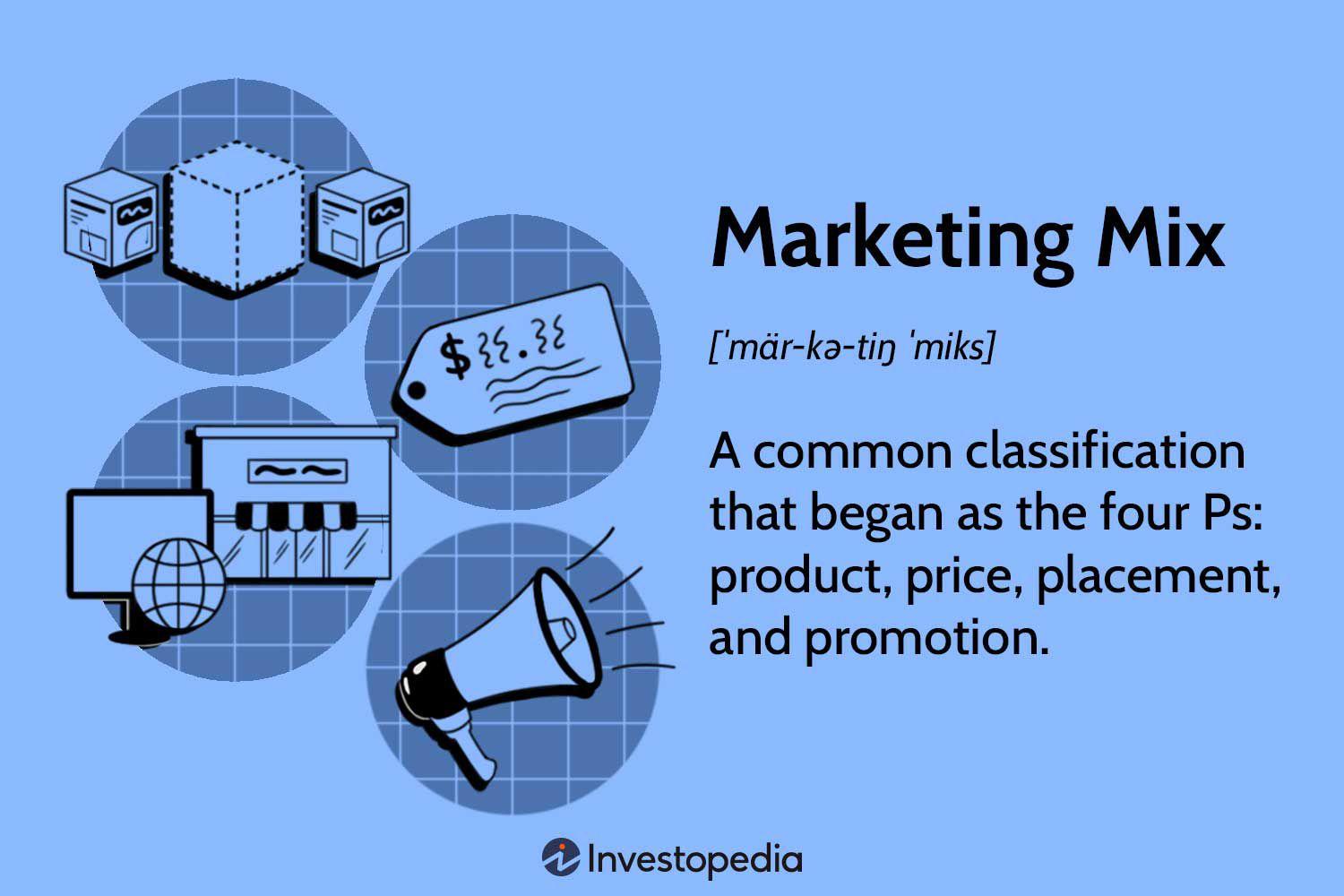
The Marketing Mix is a strategic tool used by businesses to promote and sell their products or services. The concept was first introduced by E. Jerome McCarthy in 1960 and has since become a fundamental framework for designing marketing strategies. The Marketing Mix traditionally consists of four key components, known as the 4Ps:
- Product – What you are selling, whether it’s a physical good, service, or digital product.
- Price – The cost that customers pay for your product or service.
- Place – How and where your product is distributed to reach your target market.
- Promotion – The activities that inform potential customers about your product and persuade them to make a purchase.
In service-based industries, the Marketing Mix is often extended to 7Ps, adding People, Process, and Physical Evidence to the framework. These additional elements are crucial for service-oriented businesses where customer interaction plays a pivotal role.
Why the Marketing Mix Matters
Effective use of the Marketing Mix can help businesses create well-rounded marketing strategies that address both customer needs and business objectives. By balancing the 4Ps, companies can better align their products with market demands, set competitive prices, choose appropriate distribution channels, and implement promotional tactics that resonate with their audience. Without a solid Marketing Mix, businesses risk missing opportunities, failing to meet customer expectations, or misallocating resources.
For example, consider a company launching a new smartphone. The Marketing Mix allows the company to evaluate the right features (product), set a price point that appeals to the target market (price), choose distribution channels (place), and create an effective advertising campaign (promotion). Together, these elements ensure the success of the launch and long-term product growth.
The 4Ps of Marketing: Core Components
Product – Creating the Right Product for Your Audience
The first P, Product, refers to the actual item or service being offered to the consumer. Creating a successful product involves understanding what your customers need and designing a product that fulfills those needs better than competitors. A product must stand out in terms of quality, design, features, and branding.
For instance, Apple’s iPhone is a prime example of how the product is designed with attention to both functionality and aesthetics, ensuring that it meets the needs of consumers looking for high performance and an appealing design. The company’s ability to continually innovate and improve its products has solidified its position as a market leader.
Key elements of a successful product strategy include:
- Understanding customer preferences and pain points.
- Aligning the product with market trends.
- Incorporating unique features that differentiate the product from competitors.
- Branding the product to resonate with the target market.
Price – Setting the Right Price for Your Product
Pricing is one of the most critical components of the Marketing Mix. The price you set for your product or service must reflect its perceived value to the customer while ensuring the company can remain profitable. Pricing strategies include value-based pricing, competitive pricing, and psychological pricing. The key is finding the optimal price point that maximizes profit without driving away potential customers.
One example is how luxury brands, like Rolex, set high prices not just because of production costs but because the price reinforces the perceived exclusivity and prestige of the brand. Conversely, discount retailers like Walmart rely on low prices to attract price-sensitive customers. These brands tailor their pricing strategies to the needs and behaviors of their target audiences.
When setting a price, consider these factors:
- Cost of production and distribution.
- Perceived value of the product.
- Pricing strategies of competitors.
- Customer willingness to pay.
Additionally, don’t forget to factor in psychological pricing techniques. For example, pricing a product at $99.99 instead of $100 often results in increased sales because it appears to be a better deal. This tactic, known as “charm pricing,” takes advantage of how consumers perceive price points.
Place – Ensuring Your Product Reaches the Right Audience
Distribution, or Place, refers to how your product reaches the consumer. This could involve various methods such as direct selling, retail, online marketplaces, or wholesale distribution. Choosing the right distribution channels depends on where your customers are most likely to make a purchase, and how your product can be delivered efficiently to them.
For instance, a company selling luxury clothing might use high-end department stores or its own retail outlets, while a tech startup may rely on online sales through platforms like Amazon or its own e-commerce site. The location and convenience of purchasing your product plays a key role in consumer decisions.
Effective distribution strategies also involve logistics, supply chain management, and inventory control. For example, companies like Amazon have mastered fast delivery by optimizing their warehouses and shipping processes, ensuring products are readily available to customers across the globe.
Promotion – Marketing Your Product Effectively
Promotion is the fourth P and involves activities that communicate the value of your product to customers, including advertising, public relations, sales promotions, and direct marketing. Promotion aims to raise awareness, create interest, and persuade potential customers to take action—whether that’s making a purchase, signing up for a service, or following the brand on social media.
Digital marketing plays a crucial role in the promotional aspect of the Marketing Mix. Brands leverage SEO, content marketing, social media campaigns, email marketing, and influencer partnerships to reach their target audiences in an increasingly digital world. For example, Coca-Cola’s “Share a Coke” campaign successfully used personalized bottles to promote engagement and increase sales.
Consider the following promotional tactics to implement:
- Advertising: TV, radio, digital ads, billboards, and more.
- Sales Promotions: Discounts, special offers, and loyalty programs.
- Public Relations: Managing the company’s image through press releases, media appearances, and community involvement.
- Social Media Marketing: Leveraging platforms like Instagram, Twitter, and Facebook to connect with consumers directly.
Promotion is all about visibility and engagement. Without effective promotion, even the best products can go unnoticed.
The Extended Marketing Mix: 7Ps for Service-Based Businesses
People – The Importance of Customer Interaction
In the service industry, customer interaction is often one of the most critical aspects of the business. The People component refers to both the employees who deliver the service and the customers themselves. Training employees to be knowledgeable, courteous, and professional ensures that customers have a positive experience and are more likely to return.
For instance, Disney’s customer service is renowned worldwide. Every Disney employee, from park staff to restaurant servers, is trained to provide exceptional service, which is a key factor in maintaining the company’s reputation as a leader in the entertainment industry.
Process – Streamlining Service Delivery
Process refers to the systems and procedures in place to deliver a service efficiently and consistently. Service delivery must be smooth, streamlined, and free of friction to ensure that customers receive what they expect. In industries like hospitality, healthcare, or financial services, process optimization can make a significant difference in customer satisfaction.
Take the example of McDonald’s. Their standardized processes across locations ensure that customers receive the same quality and experience, no matter where they are in the world.
Physical Evidence – Building Trust and Credibility
Physical Evidence is about the tangible elements that reinforce the service experience. This could include the physical environment (e.g., the ambiance of a restaurant or hotel), branding elements (e.g., logos, uniforms), and even the company’s online presence. These tangible elements help build trust with customers and serve as proof that the service is professional and reliable.
For instance, the modern, clean, and well-branded Starbucks stores provide physical evidence of the company’s commitment to quality and customer experience. Customers expect a certain standard when visiting a Starbucks location, and the physical space plays a big role in reinforcing that expectation.
How to Apply the Marketing Mix to Your Business Strategy
Analyzing Your Target Market
To successfully implement the Marketing Mix, businesses must first understand their target market. Market research plays a pivotal role in identifying customer needs, behaviors, and preferences. This process involves collecting data through surveys, focus groups, interviews, and online analytics tools. By segmenting your market into specific groups, you can tailor your marketing strategies to address the unique demands of each audience segment.
For example, Nike’s use of market research allows the company to offer products tailored to different sports enthusiasts, such as running shoes for athletes and basketball shoes for sports players. By understanding the specific needs of each customer segment, Nike is able to adjust its product offerings, pricing, and promotional activities to meet the needs of those segments effectively.
Some methods for analyzing your target market include:
- Conducting surveys and interviews to gather qualitative data.
- Utilizing web analytics tools to track consumer behavior.
- Segmenting your audience based on demographics, psychographics, and purchasing behavior.
- Competitive analysis to understand how your competitors are positioning themselves in the market.
Developing a Cohesive Marketing Strategy
Once you have a clear understanding of your target market, the next step is to develop a cohesive marketing strategy that incorporates the 4Ps. The key is to integrate all elements—product, price, place, and promotion—into a unified approach that ensures consistency across all marketing efforts.
For instance, Apple has been incredibly successful in its marketing strategy because it maintains a consistent brand message across all touchpoints. Whether you’re shopping for an iPhone online or visiting an Apple store, the product, price, place, and promotion all align with the brand’s premium image. The company’s product offerings are designed to cater to both tech enthusiasts and general consumers who value simplicity and elegance, while the pricing reflects the premium value of the product. Their promotional campaigns emphasize innovation and quality, further solidifying Apple’s reputation in the market.
To build a cohesive marketing strategy, consider the following steps:
- Ensure product features align with customer needs and expectations.
- Price your product according to its value proposition and target market’s willingness to pay.
- Choose the right distribution channels to make your product accessible to your audience.
- Promote your product effectively through digital and traditional marketing channels.
Measuring Success and Adjusting Your Marketing Mix
Implementing a Marketing Mix is not a one-time task—it requires continuous monitoring and adjustment. Measuring the success of your marketing strategies is essential to determine if your efforts are delivering the desired results. Key performance indicators (KPIs) such as sales growth, customer acquisition costs, conversion rates, and brand awareness should be tracked regularly to assess the effectiveness of your marketing mix.
For example, Starbucks frequently adjusts its marketing mix based on consumer feedback and market trends. The company monitors customer satisfaction through surveys and online reviews, using this data to adjust product offerings, pricing strategies, and promotions. If customers demand healthier food options, Starbucks may introduce new menu items and adjust prices to match consumer expectations. The company also continually refines its promotional strategies, offering personalized discounts through its app based on individual preferences.
Some common KPIs to track include:
- Sales and revenue growth.
- Customer retention rates.
- Conversion rates from advertising campaigns.
- Customer satisfaction and feedback.
- Market share and competitive positioning.
Common Mistakes to Avoid in Your Marketing Mix
Neglecting One or More P’s
One of the most common mistakes businesses make when developing a Marketing Mix is neglecting one or more of the 4Ps. For instance, a company may focus too heavily on product development but fail to allocate enough resources to pricing or promotion. This can lead to a product that doesn’t sell well because it’s priced too high or marketed ineffectively.
A good example is a tech company that develops an innovative gadget but neglects to promote it through the right channels. Despite its uniqueness, the product fails to attract attention, and sales remain low. In such cases, a well-balanced Marketing Mix, with equal emphasis on all 4Ps, is necessary to ensure business success.
Failing to Adapt to Changing Markets
The business landscape is constantly evolving, and marketing strategies must adapt to these changes. One of the biggest mistakes companies make is sticking to outdated marketing practices that no longer resonate with customers. Failing to adjust to shifting market dynamics can result in lost opportunities and declining sales.
Consider the example of Kodak, which dominated the photography industry for years. The company failed to pivot its marketing mix in response to the digital photography revolution. By the time Kodak began shifting its strategy, companies like Canon and Nikon had already taken the lead in digital photography, and the company ultimately filed for bankruptcy in 2012.
To stay competitive, it’s crucial to remain flexible and ready to adjust your Marketing Mix in response to industry changes, consumer trends, and emerging technologies. This could involve adopting new distribution channels, updating product features, or revising pricing strategies to reflect market conditions.
Conclusion
Recap of Key Takeaways
In summary, the Marketing Mix—comprising the 4Ps (product, price, place, and promotion)—is a powerful framework for businesses to develop effective marketing strategies. By understanding and applying these principles, companies can create products that meet customer needs, price them appropriately, distribute them efficiently, and promote them successfully.
The extended 7Ps for service-based businesses further enhance the Marketing Mix by incorporating people, process, and physical evidence, which are critical to delivering excellent service experiences. Adapting the Marketing Mix to your specific business needs and continuously monitoring its success will help ensure long-term growth and competitive advantage.
Ultimately, the Marketing Mix is more than just a marketing tool—it’s a way of thinking that can transform the way businesses connect with their customers, build brand loyalty, and achieve lasting success.
Next Steps for Implementing Your Marketing Mix
If you’re ready to implement the Marketing Mix in your business, start by conducting thorough market research to understand your target audience. Then, develop a comprehensive strategy that aligns your product offerings with customer needs, sets competitive prices, uses appropriate distribution channels, and promotes your product effectively. Regularly evaluate the effectiveness of your Marketing Mix and make adjustments as necessary to stay competitive and meet customer expectations.
For additional resources on building a successful marketing strategy, check out our related articles on pricing strategies, digital marketing tactics, and market research techniques.
FAQ Section
What is the Marketing Mix?
The Marketing Mix is a business model that helps companies develop strategies for promoting and selling their products or services. It consists of four key components: Product, Price, Place, and Promotion. Together, these elements form the foundation of a comprehensive marketing strategy.
How do the 4Ps of marketing help a business?
The 4Ps help businesses tailor their marketing strategies to meet customer needs while achieving business goals. By focusing on the right product, setting competitive prices, choosing effective distribution channels, and promoting the product appropriately, companies can build strong brand equity and drive sales.
Why is it important to adapt your Marketing Mix?
Markets are constantly changing, and customer preferences evolve over time. To stay competitive, businesses must continuously monitor their Marketing Mix and adjust it based on feedback, market trends, and external factors. This adaptability helps businesses stay relevant and responsive to customer demands.