In today’s fast-paced digital world, mobile marketing is not just a trend, but a vital aspect of any successful business strategy. With more than 5 billion mobile phone users worldwide, it’s no surprise that mobile marketing has become a key tool for brands to reach consumers wherever they are. However, many businesses still overlook or misinterpret the potential of mobile marketing. In this guide, we’ll explore everything you need to know about mobile marketing—what it is, why it matters, and how to craft effective campaigns that resonate with today’s on-the-go consumers.
Introduction to Mobile Marketing
What is Mobile Marketing?
Mobile marketing is any marketing activity that takes place on or involves a mobile device. This includes a wide variety of tactics such as mobile ads, SMS marketing, app-based marketing, push notifications, and more. In essence, mobile marketing allows brands to directly connect with consumers via their smartphones or tablets, providing opportunities to engage with them in real-time, at the right place, and at the right time.
The evolution of mobile marketing has been rapid. What began as simple text message campaigns has grown into a multifaceted industry that includes location-based marketing, in-app ads, and mobile videos. As of 2026, mobile marketing continues to grow, with businesses constantly seeking innovative ways to engage users through their mobile devices.
The Rise of Mobile Usage
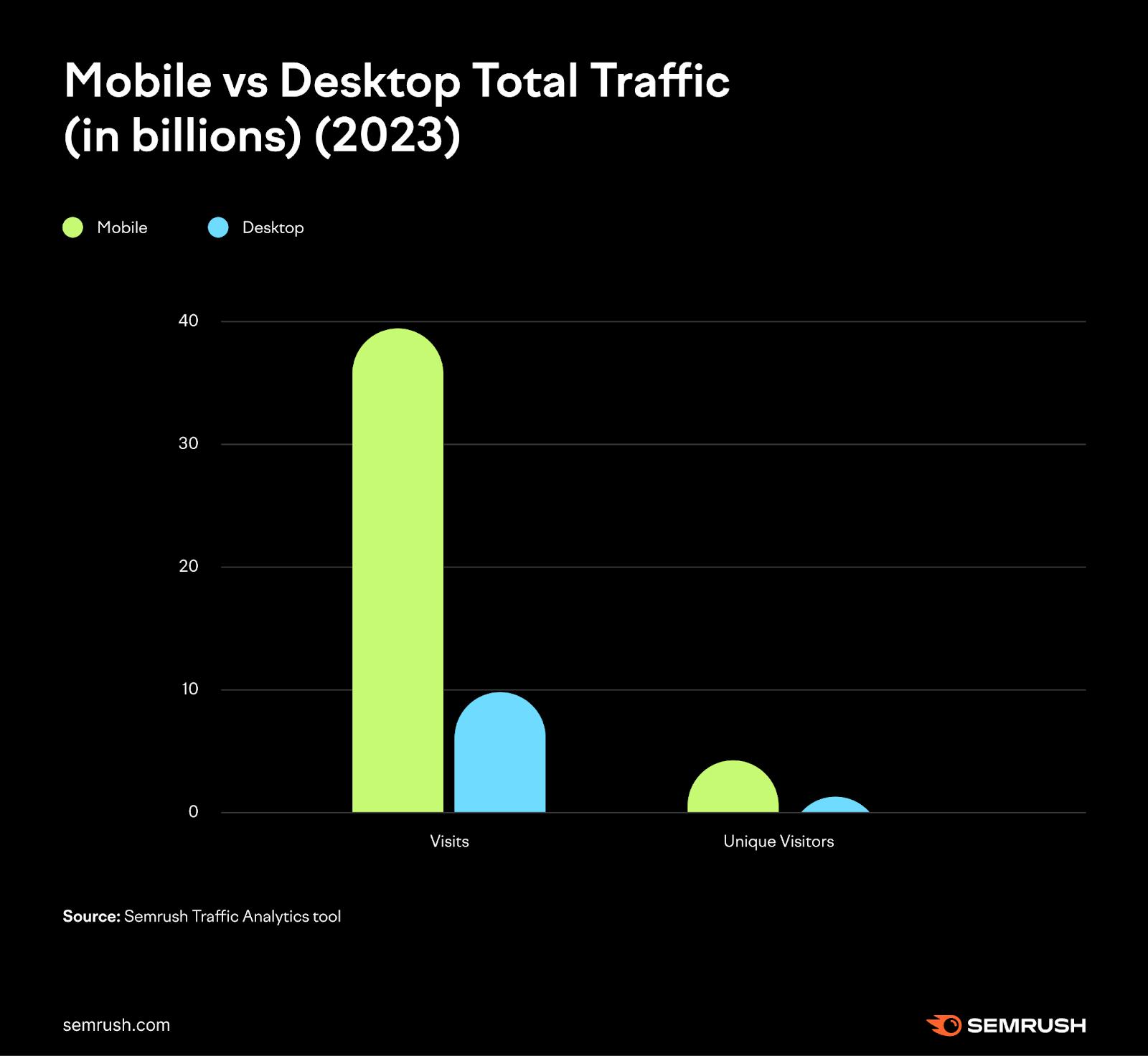
The shift from desktop to mobile has been one of the most significant trends in the digital world. In fact, mobile internet usage surpassed desktop usage in 2016, and the gap has only continued to widen. According to Statista, as of 2025, over 60% of all global internet traffic is coming from mobile devices. This makes mobile marketing not just an option, but a necessity for any business that wants to stay competitive.
Smartphones have become more than just a communication tool—they’re an integral part of the consumer journey. From shopping and browsing to social media and entertainment, mobile devices have fundamentally changed how we interact with brands. This change highlights the importance of adopting mobile marketing strategies to tap into this growing audience.
Types of Mobile Marketing Strategies
SMS Marketing
Short Message Service (SMS) marketing is one of the oldest and most effective forms of mobile marketing. It allows businesses to send promotional messages, reminders, or personalized content directly to consumers’ mobile phones. Despite the rise of social media and email marketing, SMS remains incredibly effective due to its directness and high open rates, with some reports claiming open rates of 98% for SMS messages.
To build a successful SMS marketing campaign, businesses should focus on obtaining consent from customers before sending any messages. Furthermore, segmenting the audience based on interests or demographics can make the campaign more relevant and personalized. A well-crafted SMS message should be concise, offer value, and contain a clear call to action.
For example, a clothing store might send a text offering a limited-time discount code to loyal customers. By creating urgency and delivering relevant offers, businesses can increase the likelihood of engagement and conversion.
Mobile App Marketing
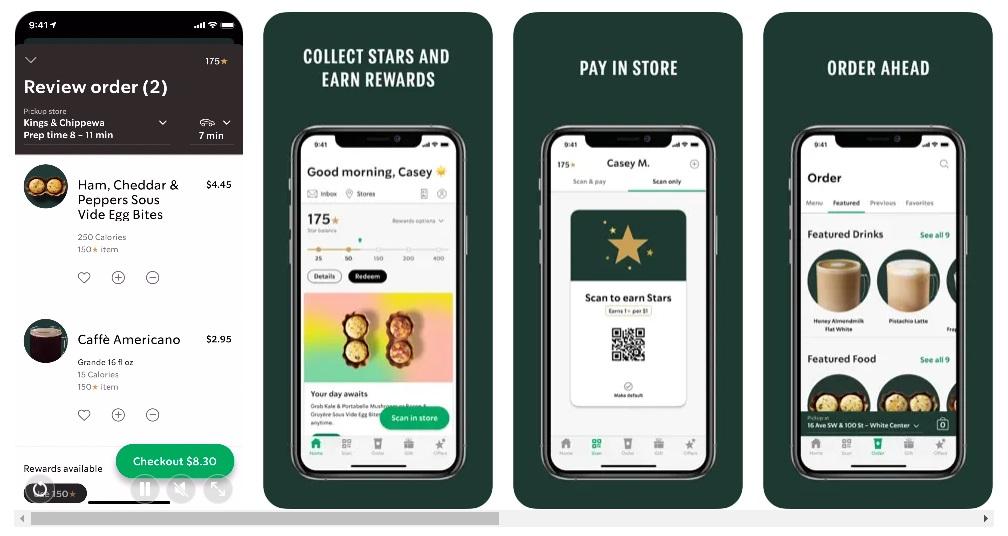
With millions of apps available across app stores, promoting your mobile app effectively has become an essential part of a mobile marketing strategy. Mobile app marketing focuses on driving downloads, increasing user engagement, and ensuring long-term retention. Whether you’re developing a shopping app, a fitness tracker, or a utility tool, it’s crucial to have a comprehensive marketing plan to succeed in this competitive space.
One effective technique for promoting mobile apps is App Store Optimization (ASO), which involves optimizing your app’s title, description, keywords, and visuals to ensure it appears in relevant searches. In addition, leveraging app-based advertisements, such as in-app banners or video ads, can increase visibility and drive downloads.
Take the example of Spotify, which uses both app ads and social media campaigns to attract new users, while rewarding existing users with personalized playlists. This strategy not only increases app downloads but also encourages users to remain engaged long after the initial download.
Push Notifications
Push notifications are a powerful tool for engaging users and keeping them informed. Unlike SMS, push notifications are sent through apps or websites and appear on a user’s device as a pop-up message. Push notifications have an extremely high engagement rate compared to email marketing, as they are delivered instantly and can be highly personalized.
Effective push notifications are short, timely, and relevant to the user. For instance, e-commerce apps might send notifications about flash sales or abandoned cart reminders. However, overusing push notifications or sending irrelevant content can lead to users disabling them or uninstalling the app entirely. Therefore, it’s important to segment users based on their preferences and behavior to ensure the notifications they receive are truly valuable.
Uber is an excellent example of a brand that uses push notifications effectively. The company sends timely notifications to users, alerting them when their driver is nearby or offering discounts based on their location. By providing relevant, real-time information, Uber keeps users engaged and enhances their experience.
Geolocation-Based Marketing
Geolocation-based marketing allows businesses to target users based on their physical location. By utilizing GPS and geofencing technology, businesses can send personalized offers, discounts, or content when a customer is within a specific geographical area. For instance, a retail store can send a notification to a customer’s phone offering a discount when they walk near the store.
This form of marketing is highly effective because it delivers timely, contextual information that can drive immediate action. It can be particularly useful for brick-and-mortar businesses looking to increase foot traffic and sales. However, businesses must be cautious not to overwhelm users with too many notifications, as this can lead to “notification fatigue” and cause customers to opt-out.

Key Mobile Marketing Trends to Watch in 2026
Mobile Video Marketing
Mobile video marketing is expected to continue its rapid growth as more consumers turn to their smartphones to watch video content. By 2026, video is projected to account for more than 80% of all internet traffic. This presents an incredible opportunity for businesses to engage with their audiences through short, captivating videos.
Platforms like YouTube, Instagram Stories, and TikTok have revolutionized the way video content is consumed. Businesses can leverage these platforms to create interactive, shareable content that appeals to their target audience. For example, fashion brands often use Instagram Stories to showcase new collections through behind-the-scenes videos, tutorials, or influencer collaborations.

Voice Search and Mobile Marketing
With the rise of voice assistants like Siri, Google Assistant, and Alexa, voice search is becoming an increasingly important aspect of mobile marketing. By 2026, it’s expected that nearly 50% of all searches will be voice-based. This shift means businesses need to optimize their content for voice search, ensuring their websites and apps are voice-friendly.
Voice search tends to favor natural language queries, so businesses should focus on long-tail keywords and conversational phrases. For example, instead of optimizing for “best running shoes,” a business might optimize for “what are the best running shoes for women with flat feet?” This type of optimization will help brands capture voice-driven traffic and enhance their visibility in search results.
Additionally, brands can develop voice-activated features within their apps or websites to engage users in new ways, further enhancing the mobile experience.
Creating an Effective Mobile Marketing Campaign
Understanding Your Target Audience
To create a successful mobile marketing campaign, you need to understand your target audience deeply. Mobile users are not a monolithic group; they are diverse in terms of interests, behaviors, and expectations. By segmenting your audience based on factors like location, age, gender, interests, and purchase history, you can tailor your campaigns for greater impact.
Tools like Google Analytics and Facebook Audience Insights provide invaluable data to help you better understand your audience’s preferences and habits. For example, if you run an online apparel store, you may discover that your mobile users tend to shop more during the evening hours. With this knowledge, you can schedule promotions or discounts during these peak hours to maximize conversions.
Additionally, creating buyer personas is an excellent way to understand your audience. These personas are fictional representations of your ideal customers, based on demographic and behavioral data. By developing accurate personas, you can ensure your mobile marketing campaigns speak directly to the needs and desires of your target audience.
Mobile-Optimized Websites
One of the most crucial elements of mobile marketing is ensuring your website is optimized for mobile devices. With more consumers shopping, browsing, and engaging with content through their smartphones, a mobile-optimized website is no longer optional—it’s a necessity.
Google has made it clear that mobile-first indexing is now the default, meaning that the mobile version of your website is prioritized in search rankings over the desktop version. As a result, your site needs to load quickly, have a user-friendly design, and offer a seamless experience for mobile users. A slow or poorly designed mobile site can lead to high bounce rates and a negative impact on your brand’s reputation.
To optimize your website for mobile, focus on elements such as:
- Responsive design that adapts to different screen sizes.
- Fast loading speeds (Google recommends a load time of under 3 seconds).
- Clear navigation and easy-to-use buttons, especially for users on smaller screens.
- Touch-friendly features that allow users to engage without frustration.
Tools like Google’s Mobile-Friendly Test can help you identify issues with your website and provide suggestions for improvements. Regularly testing your site on mobile devices ensures a smooth and enjoyable user experience.

Analyzing Mobile Marketing Campaigns
Tracking and analyzing the performance of your mobile marketing campaigns is essential to refining your strategy and improving ROI. Whether you’re running SMS promotions, push notifications, or app-based marketing, data will help you understand what works and what doesn’t.
Key performance indicators (KPIs) for mobile marketing include:
- Click-through rates (CTR) to gauge the effectiveness of your ads.
- Conversion rates to measure how many users take the desired action (like making a purchase).
- Engagement rates, especially for push notifications and in-app messages.
- Customer lifetime value (CLTV) to assess the long-term impact of mobile marketing efforts.
Platforms like Google Analytics, Firebase, and Mixpanel provide robust analytics tools for mobile marketers. By continuously analyzing your campaigns, you can identify trends, pinpoint pain points, and optimize your strategy accordingly.
Common Mistakes to Avoid in Mobile Marketing
Failing to Optimize for Mobile Devices
One of the most common mistakes businesses make in mobile marketing is failing to optimize for mobile devices. Many brands focus on desktop-first strategies, creating a site or content that looks great on a large screen but doesn’t translate well to smaller mobile devices.
Ignoring mobile optimization can lead to slow load times, awkward navigation, and frustrated users who will quickly abandon your site. In fact, 53% of mobile site visits are abandoned if a page takes longer than three seconds to load (source: Google). To avoid this mistake, ensure that your website or landing page is mobile-optimized from the outset, and test it regularly across different devices.
Overlooking Personalization
Personalization is a critical element in mobile marketing. With the wealth of data available about users, businesses have the ability to deliver tailored experiences that resonate with their audience. However, many marketers overlook this opportunity, opting for one-size-fits-all approaches.
Personalization can significantly increase engagement and conversions. For example, a fashion retailer could use data to send personalized product recommendations based on a customer’s browsing history. A fitness app might send tailored workout reminders or offer discounts on products users have previously shown interest in.
To make the most of mobile marketing, focus on delivering messages that are relevant, timely, and based on user behavior. Use data to segment your audience and send targeted push notifications, in-app messages, or SMS alerts that align with their interests and needs.
Conclusion
Mobile marketing is an essential component of any modern marketing strategy, offering unparalleled opportunities to connect with consumers on-the-go. With the right strategies and tools, businesses can effectively engage with their audience, drive conversions, and build long-term brand loyalty.
As mobile usage continues to rise, staying on top of the latest trends and best practices in mobile marketing will ensure your brand remains competitive. From SMS and app marketing to geolocation and video ads, there are numerous ways to leverage mobile marketing to your advantage. Remember, the key to success lies in understanding your audience, optimizing for mobile devices, and continuously analyzing and refining your campaigns.
By following these guidelines and avoiding common pitfalls, you can unlock the full potential of mobile marketing and create campaigns that resonate with your target audience. As we move further into 2026, mobile marketing will continue to evolve, offering exciting new opportunities to engage with consumers in innovative ways.
FAQ: Mobile Marketing
1. What is the difference between SMS marketing and push notifications?
SMS marketing involves sending text messages directly to a user’s phone, while push notifications are sent through apps or websites and appear as pop-up messages. Both can be highly effective, but push notifications tend to be more personalized and can be used for in-app engagement.
2. How do I optimize my website for mobile?
To optimize your website for mobile, ensure it has a responsive design that adapts to different screen sizes, improve loading speed, and simplify navigation for smaller screens. Tools like Google’s Mobile-Friendly Test can help you identify issues and improve your site’s mobile usability.
3. Why is mobile video marketing important?
Mobile video marketing is crucial because video consumption on mobile devices is increasing rapidly. Videos are highly engaging and have the potential to reach and convert a broad audience, making them an effective tool for building brand awareness and driving sales.
By implementing mobile marketing strategies that leverage SMS, push notifications, mobile apps, and personalization, you can effectively reach and engage your audience, driving greater success for your brand in 2026 and beyond.