In today’s competitive marketplace, establishing a strong and differentiated brand is critical for success. But how do you ensure your brand stands out in the crowded landscape? The answer lies in effective positioning. Whether you are launching a new product, entering a new market, or simply rebranding, positioning plays a pivotal role in shaping how your customers perceive you and your offerings. But what does positioning truly mean, and how can you use it to drive long-term success? In this article, we’ll explore the concept of positioning, its various types, and how to develop a positioning strategy that resonates with your target audience.
What is Positioning?
Definition of Positioning in Marketing
Positioning refers to the process of establishing a brand’s identity and unique place in the minds of its target audience. It is the art of defining how your brand, product, or service is perceived relative to the competition. The goal is to create a perception of value that aligns with your audience’s needs and desires. In essence, positioning is about carving out a distinct niche that differentiates your brand from the rest.
To put it simply, positioning answers the question: “Why should customers choose your brand over others?” It’s not just about the product features; it’s about the emotional connection and the perceived value you offer.
The Importance of Positioning in Branding
Strong positioning drives consumer decision-making. It can elevate your brand in the eyes of your target audience, increase brand loyalty, and give you a competitive advantage. Without clear positioning, brands risk being viewed as indistinguishable from their competitors. A clear and distinct position in the market helps customers make informed decisions, fostering trust and long-term relationships.
The Evolution of Positioning
The concept of positioning was first introduced by Al Ries and Jack Trout in their groundbreaking book, “Positioning: The Battle for Your Mind.” Since its inception in the 1970s, the idea of positioning has evolved significantly. Initially, positioning focused heavily on consumer perception of a product’s attributes. However, today, positioning incorporates emotional branding, customer experience, and the role of digital media in shaping brand identity.
Types of Positioning
Brand Positioning
Brand positioning refers to how a brand wants to be perceived by its target market relative to competitors. It involves creating a unique image and identity that resonates with the target audience’s needs, values, and aspirations.
For example, Apple has positioned itself as a premium, innovative, and user-friendly brand. This is achieved through sleek product designs, cutting-edge technology, and a minimalist yet aspirational marketing approach. Customers who value quality and innovation gravitate toward Apple because of this strong brand positioning.
Market Positioning
Market positioning focuses on a company’s position within the broader market. It’s about understanding the competitive landscape and identifying the niche where a brand can excel. Unlike brand positioning, which is customer-focused, market positioning is competitor-focused. Companies assess the strengths and weaknesses of their competitors to identify opportunities for differentiation.
Consider the case of Walmart versus Target. Walmart’s positioning strategy revolves around offering “everyday low prices” to appeal to budget-conscious consumers. On the other hand, Target positions itself as a more stylish and trendy alternative with a slightly higher price point. Both brands have distinct market positions that appeal to different segments of consumers.
Competitive Positioning
Competitive positioning is all about how your brand stacks up against direct competitors in the marketplace. It involves analyzing competitors’ offerings, their strengths, and weaknesses, and finding a way to differentiate your brand to offer superior value.
One great example of competitive positioning is Pepsi and Coca-Cola. Pepsi positions itself as the youthful, edgy alternative to Coca-Cola’s classic and traditional brand image. Through clever marketing campaigns, Pepsi targets a younger demographic while Coca-Cola focuses on family-friendly values and nostalgia.
Positioning for New Products
Positioning for new products requires special attention to market demand and consumer needs. Unlike established products with a track record, new products must establish their place in the market from scratch. It’s crucial to understand customer pain points and craft a positioning strategy that addresses these issues effectively.
A prime example is the launch of Dyson’s vacuum cleaners. When Dyson entered the market, it was up against established brands like Hoover. However, by positioning their vacuums as more technologically advanced, more durable, and more efficient than competitors, Dyson created a niche that allowed them to disrupt the market successfully.
The Role of Positioning in Business Strategy
Positioning and Consumer Behavior
Positioning has a direct impact on consumer behavior, shaping how customers perceive and interact with a brand. Strong positioning influences the consumer’s decision-making process and drives purchasing decisions. For instance, if a consumer perceives your brand as the most innovative or reliable option, they are more likely to choose your product over others.
Psychological factors play a huge role in positioning as well. Customers often make purchasing decisions based on emotions and perceptions, not just logical considerations. The way your brand positions itself can evoke positive emotions such as trust, excitement, or nostalgia, which can ultimately drive customer loyalty.
Positioning and Brand Equity
Positioning is intrinsically linked to brand equity, which refers to the value of your brand in the eyes of consumers. Strong positioning builds brand equity by establishing a unique and positive perception in the marketplace. As brand equity grows, it leads to higher customer loyalty, greater brand recognition, and, often, the ability to command a premium price.
Take the example of Nike. Nike has successfully positioned itself as the leader in sportswear by focusing on empowerment, performance, and innovation. This strong positioning has resulted in high brand equity, allowing Nike to command higher prices and maintain a loyal customer base.
Developing a Positioning Strategy
Key Steps in Positioning Strategy Development
Creating an effective positioning strategy involves several key steps:
- Identify your target audience: Understand who your customers are, what they need, and how they perceive your product or service.
- Analyze competitors: Study your competitors’ positioning and find areas where you can differentiate yourself.
- Create a positioning statement: Develop a clear and concise statement that articulates how you want your brand to be perceived.
By following these steps, you can create a positioning strategy that clearly communicates your brand’s value and sets you apart from the competition.
Tools for Positioning Analysis
Several tools can help you analyze and refine your positioning strategy:
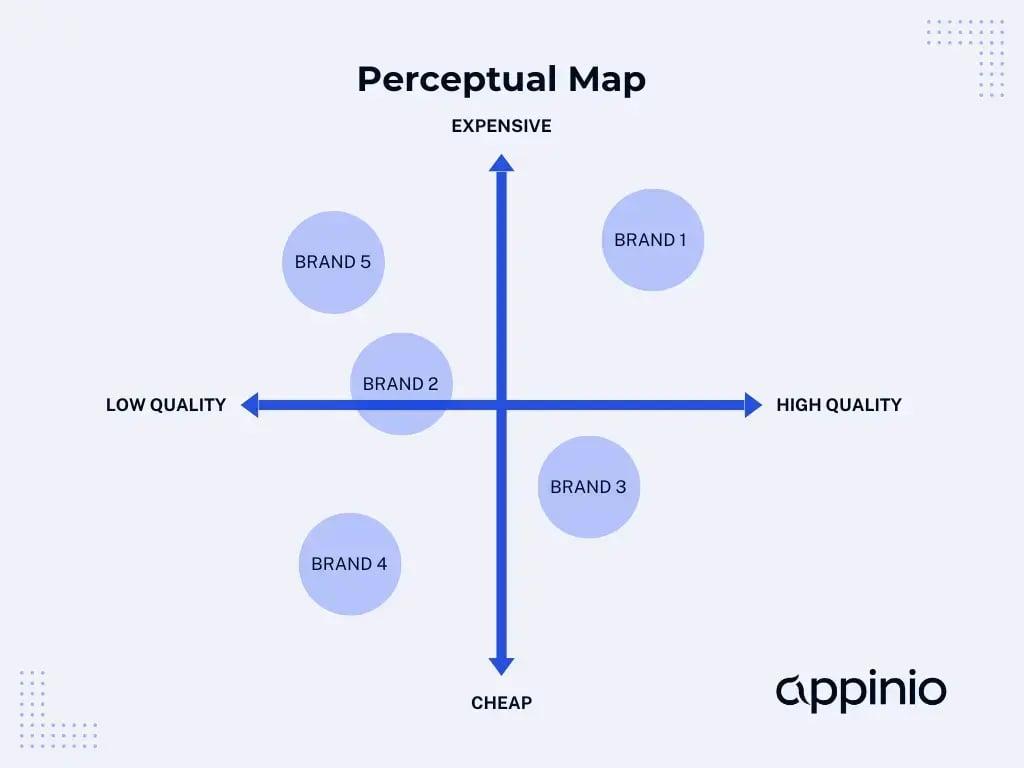
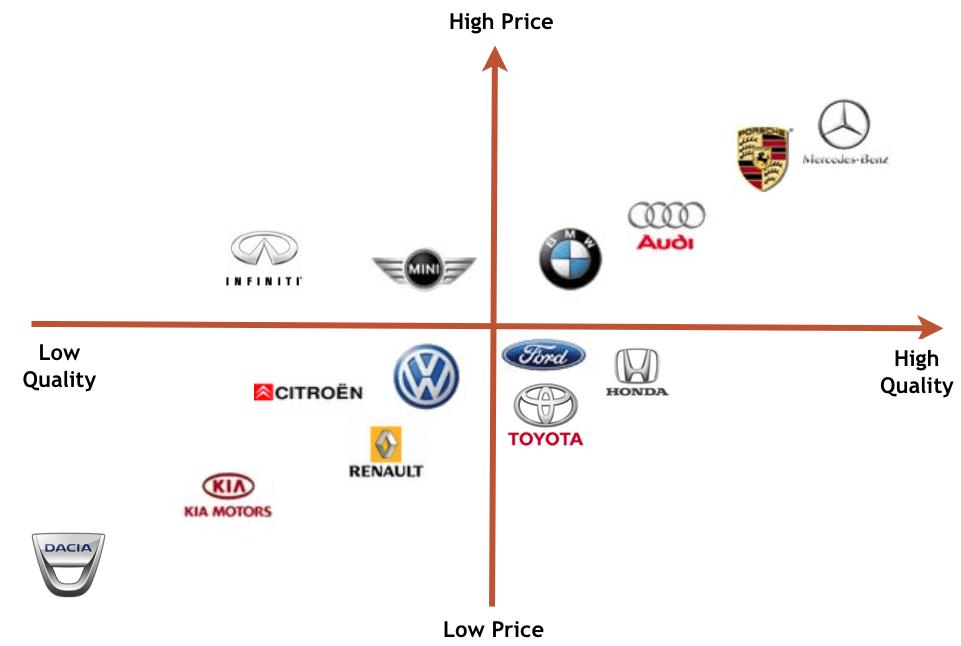
- Positioning Map: A visual representation of your brand’s position in relation to competitors based on key attributes.
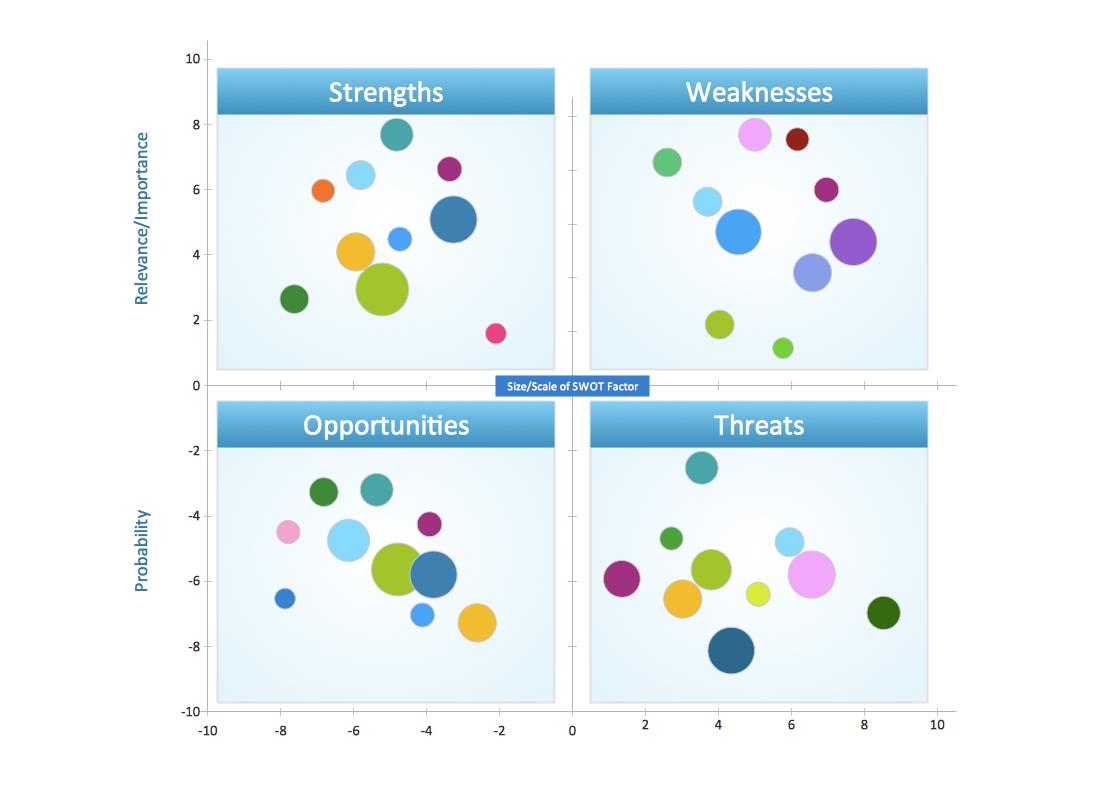
- SWOT Analysis: An analysis of your brand’s strengths, weaknesses, opportunities, and threats in the marketplace.
- Perceptual Mapping: A tool that helps identify how customers perceive different brands based on various attributes.
These tools can provide valuable insights into where your brand stands in the market and how you can refine your positioning strategy to create a competitive edge.
Writing a Positioning Statement
A positioning statement is a concise statement that communicates the unique value your brand provides to its target audience. It typically includes the following components:
- Target audience: Who are you targeting?
- Market definition: What market or category does your brand compete in?
- Brand promise: What benefit does your brand deliver to your target audience?
- Reason to believe: What makes your brand credible in delivering that promise?
For example, Nike’s positioning statement might read: “For athletes who seek to push their limits, Nike provides innovative performance gear that enhances every step, driven by the belief that greatness comes from within.”
Positioning Mistakes to Avoid
Common Pitfalls in Positioning
While positioning is an essential strategy, there are several mistakes that businesses often make:
- Misunderstanding customer needs: It’s critical to align your positioning with what your customers truly want, not just what you think they need.
- Overcomplicating the message: Clear and simple messaging is more effective than trying to communicate too many ideas at once.
- Failure to differentiate: Your brand needs to offer something unique that your competitors do not. Failing to do so leads to brand confusion and irrelevance.
How to Recover from a Positioning Mistake
If you realize that your positioning is off track, don’t panic. Brands can adjust and recover through strategies like rebranding or repositioning, depending on the severity of the issue. It’s important to gather customer feedback, reassess your target audience, and make changes that better align with their needs and expectations.
Positioning Case Studies and Real-World Examples
Successful Positioning Strategies
Let’s take a closer look at a few companies that have mastered positioning:
- Apple: Positioned as a premium brand focused on innovation and simplicity, Apple appeals to customers who value quality and cutting-edge technology.
- Coca-Cola: Coca-Cola has successfully positioned itself as the drink of choice for sharing moments of happiness with friends and family, creating an emotional connection with consumers.
Failed Positioning Examples
While some brands have nailed their positioning strategies, others have stumbled:
- Gap: Gap’s failed rebranding efforts in 2010 led to confusion in the market, as consumers couldn’t clearly identify what the brand stood for.
- PepsiCo’s Tropicana: The 2009 redesign of Tropicana’s packaging alienated customers who couldn’t recognize the product on store shelves, leading to a decline in sales.
These examples show how positioning can either make or break a brand, reinforcing the importance of developing a clear and consistent strategy.
Measuring the Effectiveness of Your Positioning
Key Performance Indicators (KPIs) for Positioning
Once you’ve developed and implemented your positioning strategy, it’s essential to track its effectiveness. Key Performance Indicators (KPIs) are the metrics that help you understand whether your positioning is resonating with your target audience and delivering the desired results.
- Sales Growth: A clear indicator of whether your brand’s positioning is influencing purchasing decisions and leading to increased sales.
- Market Share: Tracking changes in your market share relative to competitors helps assess whether your positioning is giving you a competitive edge.
- Brand Awareness: Monitoring brand awareness metrics helps gauge whether consumers are recognizing and recalling your brand’s position in the market.
- Customer Perception: Regular surveys and feedback mechanisms allow you to track how consumers perceive your brand, ensuring alignment with your positioning goals.
By tracking these KPIs over time, you can determine whether your positioning strategy is driving success, or if adjustments are needed.
Conducting Market Research for Positioning Effectiveness
Regular market research is crucial for refining and evolving your positioning strategy. Understanding how your target audience views your brand and its competitors allows you to fine-tune your message and maintain a competitive advantage. There are various methods for conducting market research, including:
- Customer Feedback: Engage with your audience directly through surveys, interviews, and social media to gather insights into how they perceive your brand.
- Competitor Analysis: Continuously monitor your competitors’ positioning strategies and compare them against your own to identify potential gaps or opportunities.
- Focus Groups: Bringing together a small group of consumers to discuss their perceptions of your brand can provide valuable qualitative data on positioning effectiveness.
By using a combination of these research methods, you can gain a deep understanding of how your positioning is performing and make adjustments as needed.
The Future of Positioning
Trends in Positioning
As the business landscape continues to evolve, so too does the concept of positioning. Several emerging trends are shaping the future of positioning strategies:
- Digital Transformation: As more consumers interact with brands online, digital channels have become critical for positioning. Social media, websites, and digital advertising offer new ways to communicate and reinforce your positioning strategy.
- Personalization: Today’s consumers expect tailored experiences. Positioning strategies will increasingly focus on personalizing offerings to meet the specific needs and desires of individual customers.
- Sustainability and Ethical Practices: With growing consumer awareness around sustainability, brands that position themselves as socially and environmentally responsible will continue to gain favor among eco-conscious buyers.
By staying ahead of these trends, companies can future-proof their positioning and remain relevant in a rapidly changing market.
Positioning in a Global Market
Global positioning is a unique challenge, especially for businesses looking to expand internationally. While positioning strategies that work in one market may not always be effective in another, understanding cultural nuances and consumer behavior is key to success. For instance, a brand’s image might be perceived differently across cultures due to varying values, tastes, and traditions.
Take the example of McDonald’s. While the fast-food giant has a consistent brand image globally, it adapts its menu to local tastes. In India, for instance, McDonald’s offers a range of vegetarian options to cater to local dietary preferences, while in the U.S., burgers dominate the menu. This global-local strategy allows McDonald’s to maintain its position as a leader in the fast-food industry worldwide.
Adapting your positioning for global markets requires understanding your audience’s specific needs, values, and cultural context. Conducting localized market research and adjusting your messaging will ensure that your positioning remains effective on a global scale.
Summary and Key Takeaways
Effective positioning is essential for creating a brand that stands out in a crowded market. It involves defining a unique value proposition that resonates with your target audience and sets you apart from competitors. By focusing on the key components of brand, market, and competitive positioning, businesses can craft strategies that connect with consumers on an emotional and rational level.
Here are the key takeaways from this guide:
- Understand the importance of positioning: Positioning helps define your brand’s unique space in the marketplace and influences consumer perceptions and buying decisions.
- Develop a clear positioning strategy: Identify your target audience, analyze competitors, and create a positioning statement that effectively communicates your brand’s value.
- Measure and adjust: Use KPIs and market research to continuously track the effectiveness of your positioning and make necessary adjustments to stay ahead of competitors.
- Adapt for the future: Stay abreast of emerging trends like digital transformation, personalization, and sustainability, and adjust your positioning strategy accordingly to remain relevant in the market.
Positioning is an ongoing process that requires constant refinement. By implementing a strategic approach to positioning, you can build a brand that resonates deeply with your audience and drives long-term success.
FAQs
1. What is the difference between brand positioning and market positioning?
Brand positioning focuses on how your brand is perceived by consumers relative to other brands in the market. It’s about creating a unique and compelling identity that appeals to your target audience. Market positioning, on the other hand, is about identifying the space your product or service occupies within the broader market landscape. It’s about differentiating yourself from competitors within your industry.
2. How can I improve my brand’s positioning?
Improving your brand’s positioning requires a deep understanding of your target audience and your competitors. Start by gathering customer feedback and conducting market research to assess your current position. From there, refine your messaging, differentiate your offerings, and focus on delivering unique value that resonates with your audience.
3. How often should I reassess my positioning strategy?
It’s important to reassess your positioning strategy regularly—at least once a year or when significant changes occur in the market, such as shifts in consumer preferences, new competitors, or major product launches. Continuous monitoring and adaptation are crucial to staying relevant and competitive.
For more insights into building a successful brand strategy, check out our Brand Strategy Guide and Market Research Tools pages.