In the fast-evolving world of digital advertising, staying ahead of the curve is critical. Traditional methods of ad buying and placement are quickly being overtaken by programmatic advertising, a cutting-edge technology that automates the buying and selling of ad inventory. If you’re not yet familiar with programmatic ads, you’re missing out on one of the most effective ways to reach highly-targeted audiences at scale. But what exactly are programmatic ads, and how can they benefit your advertising strategy? In this comprehensive guide, we’ll dive deep into the world of programmatic ads, explaining everything from the basics to the advanced strategies that can help you harness their power.
What Are Programmatic Ads?
Introduction to Programmatic Advertising
Programmatic advertising refers to the automated process of buying and selling digital ad inventory in real-time, using data and algorithms to target specific audiences. Unlike traditional ad buying methods, where advertisers negotiate directly with publishers, programmatic ads use software to make decisions about which ads to display based on user behavior, demographics, and other factors. This technology has become the backbone of modern digital advertising, with billions of dollars being spent on programmatic campaigns each year.
The Evolution of Programmatic Ads
Programmatic advertising has its roots in the early 2000s, when the first real-time bidding (RTB) platforms were introduced. Initially, programmatic was a relatively niche solution, used mostly by large advertisers with significant budgets. However, as technology advanced and the demand for more targeted and efficient ad solutions grew, programmatic gained traction across the advertising industry. Today, it accounts for a significant portion of digital ad spend worldwide. According to eMarketer, programmatic ad spending in the U.S. is expected to surpass $100 billion by 2024, further solidifying its dominance in the digital ad space.

How Do Programmatic Ads Work?
Key Components of Programmatic Advertising
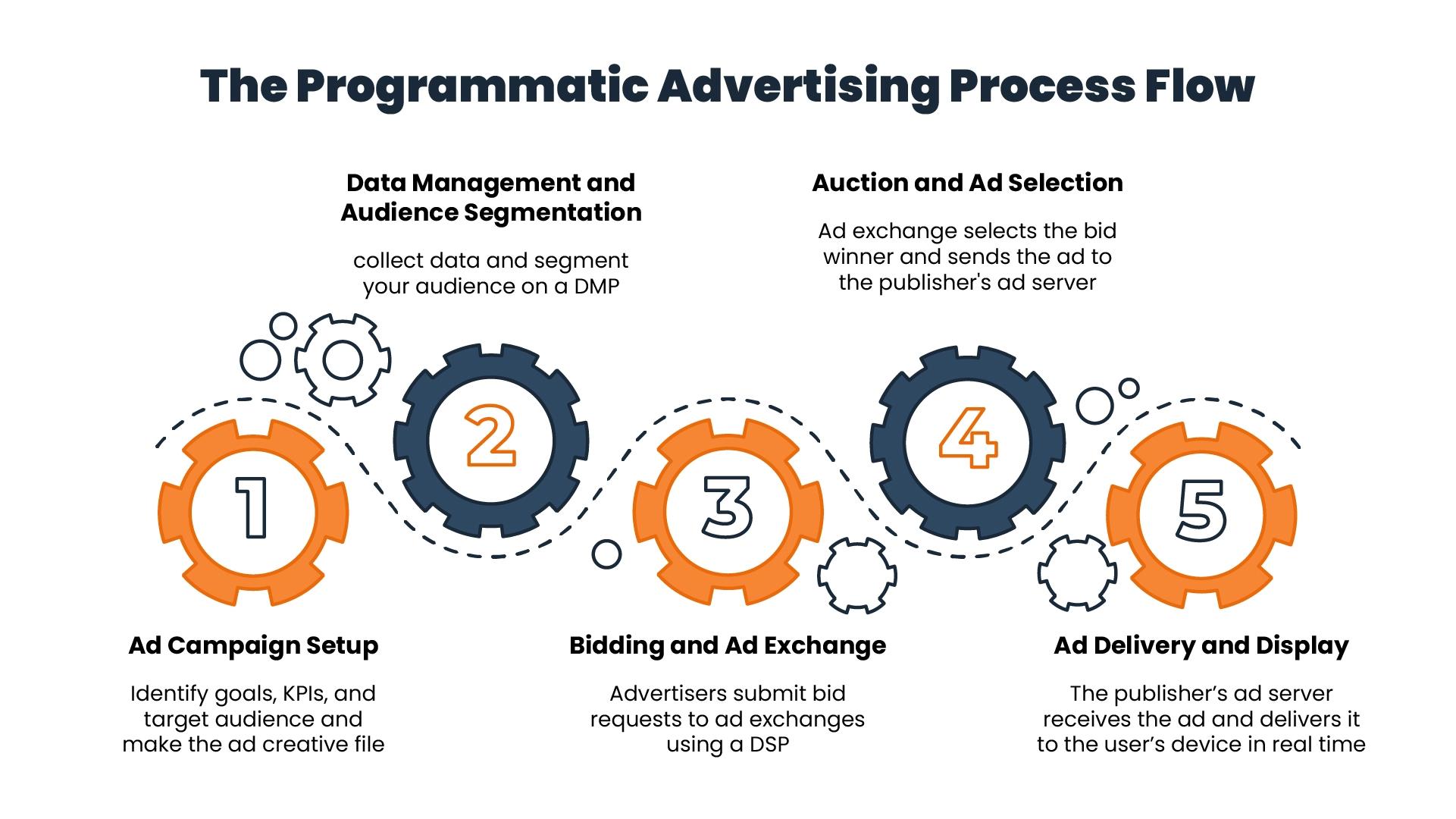
Programmatic advertising is powered by three key components: Demand-Side Platforms (DSPs), Supply-Side Platforms (SSPs), and Ad Exchanges. Let’s break each one down:
- Demand-Side Platform (DSP): A DSP is used by advertisers to manage their programmatic ad campaigns. It allows them to buy ad space from various publishers in real-time, based on audience data, location, and other targeting factors.
- Supply-Side Platform (SSP): An SSP is used by publishers to manage and sell their ad inventory to the highest bidder. It connects with multiple DSPs to ensure that publishers get the best possible price for their ad space.
- Ad Exchange: An ad exchange is a digital marketplace where DSPs and SSPs meet. It facilitates the real-time auction process, allowing advertisers to bid for ad space while publishers can sell their inventory.
These components work together to facilitate a seamless, automated ad buying and selling process, eliminating the need for direct negotiations between advertisers and publishers.
The Role of Data in Programmatic Ads
One of the primary advantages of programmatic advertising is its reliance on data. By leveraging first-party, second-party, and third-party data, programmatic ads allow for highly targeted campaigns. First-party data is gathered from a company’s own audience, such as website visitors or app users. Second-party data is shared by trusted partners, and third-party data is collected from external sources, like data providers or public databases. This rich pool of data enables advertisers to deliver personalized and relevant ads to the right people at the right time.
Real-Time Bidding (RTB) Explained
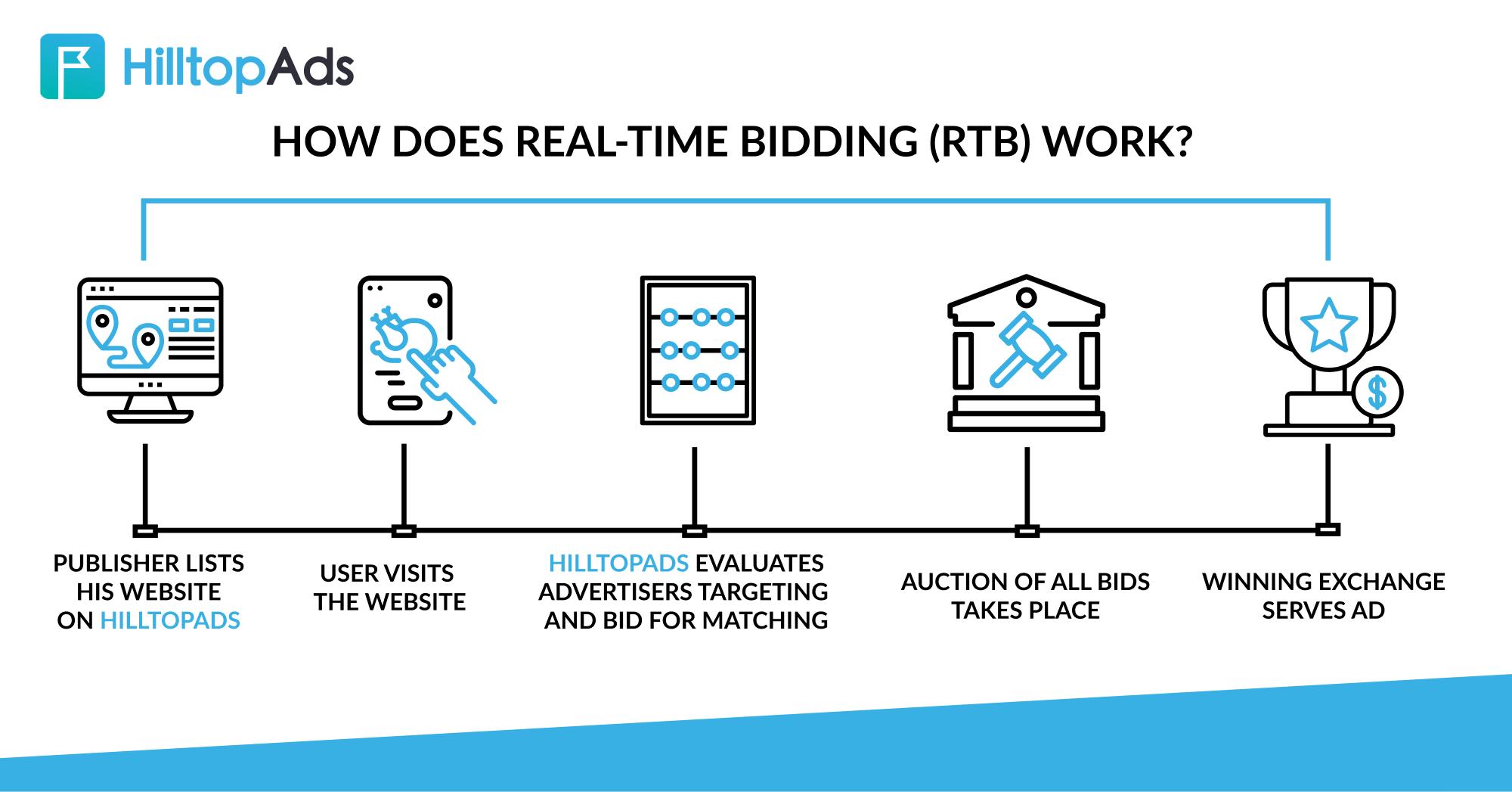
Real-Time Bidding (RTB) is the most common form of programmatic advertising. In RTB, advertisers bid on ad space in real-time during an auction that takes place when a user visits a website. The highest bidder wins the ad space and their ad is immediately displayed to the user. This auction process occurs in milliseconds, ensuring that the most relevant ad is shown to the user at the right time. RTB allows advertisers to optimize their bids based on various factors such as user demographics, browsing behavior, and even weather conditions.
Types of Programmatic Ads
Display Ads and Banner Ads
Display and banner ads are among the most common types of programmatic ads. These are the ads you see on websites, often in the form of banners, sidebars, or pop-up boxes. Programmatic display ads allow advertisers to target users based on their browsing history, interests, and behavior. For example, if a user recently searched for running shoes, they might be shown an ad for a sportswear brand. This type of highly relevant advertising drives better engagement and conversion rates.
Video Programmatic Ads
Video ads are another growing segment within programmatic advertising. With the increasing consumption of video content on platforms like YouTube, TikTok, and social media, video programmatic ads allow advertisers to reach users through in-stream, out-stream, or video display ads. These ads are typically targeted based on user interests, viewing habits, and other demographic factors. Video ads can be highly effective, as they engage users in a more dynamic and immersive format than static display ads.
Native Programmatic Ads
Native ads are designed to blend seamlessly into the content of a website or app. They mimic the form and function of the content around them, making them less intrusive than traditional display ads. For example, a sponsored article that appears on a news website or a promoted post on social media can be considered native ads. These ads are particularly effective at driving user engagement, as they provide value to the reader without disrupting their experience.

Advantages of Programmatic Advertising
Efficiency and Time-Saving
One of the key benefits of programmatic advertising is its ability to save time and increase efficiency. Unlike traditional ad buying, where advertisers have to manually negotiate with publishers, programmatic ads automate the entire process. This allows advertisers to focus on strategy, creative development, and performance optimization, rather than wasting time on tedious negotiations. As a result, programmatic advertising can streamline workflows and reduce human error, leading to better campaign outcomes.
Precise Targeting and Personalization
Programmatic ads offer a level of precision and personalization that traditional ad methods simply can’t match. By using data-driven insights, advertisers can target users based on a wide range of factors, including demographics, interests, behavior, device type, and location. This level of targeting ensures that the right message reaches the right person at the right time. For instance, an online clothing retailer can target users who have recently browsed similar items or visited their website, increasing the likelihood of a conversion.
Cost-Effectiveness and Budget Control
Programmatic advertising provides advertisers with better control over their budgets and allows for more cost-effective campaigns. With programmatic buying, advertisers can set bids based on real-time data, ensuring that they only pay for ad space that is highly relevant to their target audience. Furthermore, programmatic ads allow for better optimization throughout the campaign, ensuring that budgets are allocated efficiently. This dynamic bidding process enables advertisers to maximize their ROI while minimizing waste.
Better Campaign Measurement and Reporting
One of the significant advantages of programmatic advertising is its ability to provide real-time tracking and detailed analytics. Advertisers can monitor key performance metrics such as impressions, clicks, conversions, and ROI throughout the campaign. This data allows for constant optimization and improvement, ensuring that campaigns remain effective and efficient. With programmatic advertising, you can gain valuable insights into which audience segments are performing best, allowing you to adjust your strategy accordingly.

Challenges of Programmatic Ads
Data Privacy and Security Concerns
As programmatic advertising relies heavily on data, data privacy and security are significant concerns. With the rise of regulations like the European Union’s General Data Protection Regulation (GDPR) and the California Consumer Privacy Act (CCPA), advertisers must be increasingly mindful of how they collect, store, and use consumer data. These regulations aim to protect consumer privacy and give individuals more control over their personal data, which can pose a challenge for advertisers looking to leverage data-driven advertising techniques.
To stay compliant, it’s essential for advertisers to use data responsibly and transparently. Many DSPs now offer tools that help ensure that all data collection and targeting are done in accordance with privacy laws. By focusing on first-party data, which is data collected directly from your own audience, advertisers can maintain a high level of compliance while still delivering effective programmatic campaigns.
Ad Fraud and Brand Safety
Another challenge of programmatic advertising is the risk of ad fraud. According to a report by the World Federation of Advertisers, ad fraud in programmatic advertising could cost advertisers over $42 billion globally in 2022 alone. Fraudulent activities like fake impressions, bot traffic, and click fraud can undermine the effectiveness of programmatic campaigns.
To mitigate these risks, advertisers should work with reputable ad tech partners who provide fraud detection measures and adhere to industry standards such as the Trustworthy Accountability Group (TAG) and the Interactive Advertising Bureau (IAB). Additionally, using whitelist and blacklist strategies can help ensure that ads are only shown on trusted and relevant websites, maintaining brand safety.
Complexity of Programmatic Technology
While programmatic advertising offers powerful targeting capabilities, it can also be complex and difficult to manage for those without technical expertise. The programmatic landscape involves multiple players and technologies, including DSPs, SSPs, data providers, and ad exchanges, all of which need to work together seamlessly for a campaign to succeed. For businesses without an in-house team dedicated to managing these tools, navigating the programmatic ecosystem can be overwhelming.
To address this challenge, many businesses are turning to managed services or programmatic agencies that specialize in handling the complexities of automated ad buying. These agencies bring expertise in managing programmatic campaigns, optimizing performance, and ensuring that ad spend is being used efficiently.

How to Set Up a Programmatic Advertising Campaign
Choosing the Right Demand-Side Platform (DSP)
The first step in launching a programmatic advertising campaign is choosing the right DSP. The DSP you select will play a crucial role in determining the success of your campaign. When evaluating DSPs, consider factors such as audience targeting options, integration with your current tools, ease of use, and pricing structure.
Popular DSPs include Google DV360, The Trade Desk, and MediaMath, each offering different features tailored to various advertising goals. For example, Google DV360 is a powerful DSP with deep integration into Google’s ecosystem, while The Trade Desk is known for its advanced targeting capabilities and real-time reporting tools.
Defining Your Target Audience and Setting Objectives
To maximize the effectiveness of your programmatic ad campaigns, it’s essential to define your target audience clearly. Programmatic advertising thrives on data, so the more you know about your target audience, the more successful your campaign will be. Start by setting specific objectives—whether it’s increasing brand awareness, driving traffic, or boosting conversions—and then use data to segment your audience accordingly.
For example, if your goal is to increase sales for a new product, you might target users who have visited your website in the past 30 days and have shown interest in similar products. By combining audience insights with a clear goal, you’ll be able to create a campaign that resonates with your audience and delivers measurable results.
Setting Budgets and Bidding Strategies
Programmatic ads are auction-based, so it’s important to set a clear budget and choose an appropriate bidding strategy. Advertisers can use several bidding models, including Cost Per Mille (CPM), Cost Per Click (CPC), or Cost Per Acquisition (CPA). The choice of bidding model depends on the specific goals of your campaign.
For example, if you’re focused on brand awareness, CPM is likely the best option, as it lets you pay for every 1,000 impressions served. If your goal is to drive conversions, CPA bidding may be more effective, as it allows you to pay only when a user takes a desired action, such as making a purchase or signing up for a newsletter.
Monitoring and Optimizing Campaigns
Once your programmatic campaign is live, ongoing monitoring and optimization are critical for ensuring success. With real-time data at your fingertips, you can track campaign performance and make adjustments to improve results. This could involve tweaking targeting parameters, adjusting bids, or shifting budget allocation to higher-performing channels.
Optimization should be an ongoing process throughout the campaign’s lifecycle. Regularly review key performance indicators (KPIs) like click-through rates (CTR), conversion rates, and cost per acquisition (CPA) to ensure that the campaign is meeting your goals. By continuously refining your strategy, you’ll be able to maximize the effectiveness of your programmatic advertising efforts.
Future of Programmatic Advertising
Emerging Trends in Programmatic Ads
As technology continues to evolve, so does the landscape of programmatic advertising. Emerging trends such as artificial intelligence (AI), machine learning, and blockchain are poised to revolutionize the programmatic space. AI and machine learning are already helping advertisers make smarter bidding decisions and improve targeting precision, while blockchain promises to enhance transparency and reduce fraud in the programmatic ecosystem.
Another emerging trend is the rise of connected TV (CTV) programmatic ads. As more consumers shift to streaming services, advertisers are increasingly using programmatic tools to target audiences across platforms like Roku, Hulu, and YouTube TV. This shift presents new opportunities for advertisers to reach engaged viewers on large screens, making programmatic CTV a rapidly growing segment of the industry.
The Impact of Privacy Regulations on Programmatic Advertising
As privacy concerns continue to grow, the programmatic advertising industry will need to adapt to changing regulations. In addition to GDPR and CCPA, new laws may emerge that further restrict data collection and targeting capabilities. Advertisers will need to find ways to stay compliant while still delivering relevant, personalized ads.
One way to address this challenge is by investing in first-party data—data you collect directly from your users. By focusing on data that is explicitly provided by customers (such as email subscriptions or user profiles), advertisers can ensure that their campaigns remain compliant with privacy laws while still being effective.
Predictions for the Future of Programmatic Advertising
Looking ahead, programmatic advertising is expected to continue growing and evolving. The integration of advanced technologies such as AI, the increasing popularity of video and CTV ads, and the drive for greater transparency will all play a role in shaping the future of programmatic ads. Additionally, the continued rise of mobile devices and the growing importance of cross-channel marketing will present new opportunities for advertisers to engage with audiences in innovative ways.
As the programmatic landscape evolves, advertisers who embrace these changes and adapt to new technologies will be best positioned to thrive in the future of digital advertising.

Conclusion
Programmatic advertising has revolutionized the way businesses approach digital marketing. By automating the ad buying process and leveraging data for precise targeting, advertisers can deliver highly relevant and effective campaigns that drive real results. While there are challenges such as privacy concerns and ad fraud, the benefits far outweigh the drawbacks for businesses that take the time to understand and optimize programmatic ads.
As programmatic advertising continues to evolve, staying informed and adaptable will be key to success. By choosing the right DSP, defining clear campaign goals, and embracing emerging trends like AI and CTV, advertisers can unlock the full potential of programmatic advertising and stay ahead in the ever-competitive digital marketing landscape.
FAQs
What is programmatic advertising?
Programmatic advertising is the automated process of buying and selling digital ad inventory in real-time using data and algorithms. It allows advertisers to target specific audiences and optimize their campaigns based on real-time performance metrics.
How does real-time bidding (RTB) work?
Real-time bidding (RTB) is a process where advertisers bid on ad inventory in real-time during an auction. The highest bidder wins the ad space and their ad is displayed to the user instantly. This process happens in milliseconds for each ad impression.
What are the benefits of programmatic ads?
Programmatic ads offer benefits such as increased efficiency, better targeting, cost control, and detailed campaign reporting. They allow advertisers to reach highly specific audiences with personalized content, leading to higher engagement and ROI.